Discover the best bingo casinos UK 2026 with our expert guide. Compare top sites, bonuses, mobile apps, and no-deposit offers. Bet365, Mecca, Tombola, and more reviewed. read our guide to the best bingo casinos


Breast Cancer Symptoms Checklist: What to Look For at Home
Breast cancer is one of the most common cancers affecting women across the USA. Early detection can dramatically increase survival rates, and many breast cancer symptoms first appear at home, not in the doctor’s office. Having a reliable checklist helps you spot changes before they escalate. This blog equips American women with the knowledge they need to perform effective at-home checks and stay alert to changes in their body.
Why You Should Check for Symptoms at Home
Doctors and mammograms are essential, but a lot of breast cancer symptoms are subtle and can show up between scheduled checkups. Your body gives you clues, you just need to know what to look for and how to read them.
Home detection isn’t about panic. It’s about empowerment. Doing monthly breast self-exams and getting familiar with what’s normal for you builds confidence and helps you catch warning signs early, while they’re still easiest to address. This guide walks you through a practical checklist of breast cancer symptoms you can keep an eye on yourself.
And if you’re someone who likes to turn awareness into something visible, brands like Printify Gifts make it simple to create custom shirts or accessories that show support, start conversations, or just remind people to stay on top of their health.

Lump or Mass in the Breast or Armpit
A lump is the most recognized breast cancer symptoms, but not all lumps are created equal. American women should know exactly what to look for and when to seek medical attention.
Look for:
- A new lump that feels firmer than surrounding tissue: This could be a sign of a tumor. Cancerous lumps are often hard, have irregular edges, and don’t move easily under the skin compared to benign lumps, which may be softer and movable.
- A mass with irregular edges that doesn’t move easily: Tumors often have jagged edges and may feel anchored in place, not shifting when touched, which is different from harmless cysts.
- A lump in the underarm area (swollen lymph nodes): Swollen nodes in the armpit can be an early indicator that cancer cells have spread to nearby lymphatic systems.
Keep in mind: Not all lumps are cancerous. Some could be cysts or benign growths, but any persistent or unusual mass should be checked by a healthcare provider in the USA without delay.
Swelling of All or Part of the Breast
You may not feel a lump, but swelling could signal a deeper issue. Swelling might make one breast appear larger than the other or cause visible tightness.
Signs include:
- Puffiness or fullness in one area: A section of the breast may appear enlarged, firm, or more dense than usual, without a specific lump present.
- Swelling not related to your menstrual cycle: Hormonal fluctuations can cause temporary swelling, but if the puffiness persists outside of your period, it should be taken seriously.
- Breast skin feeling tight or stretched: This could be a sign of internal inflammation or fluid buildup often associated with tumors or inflammatory breast cancer.
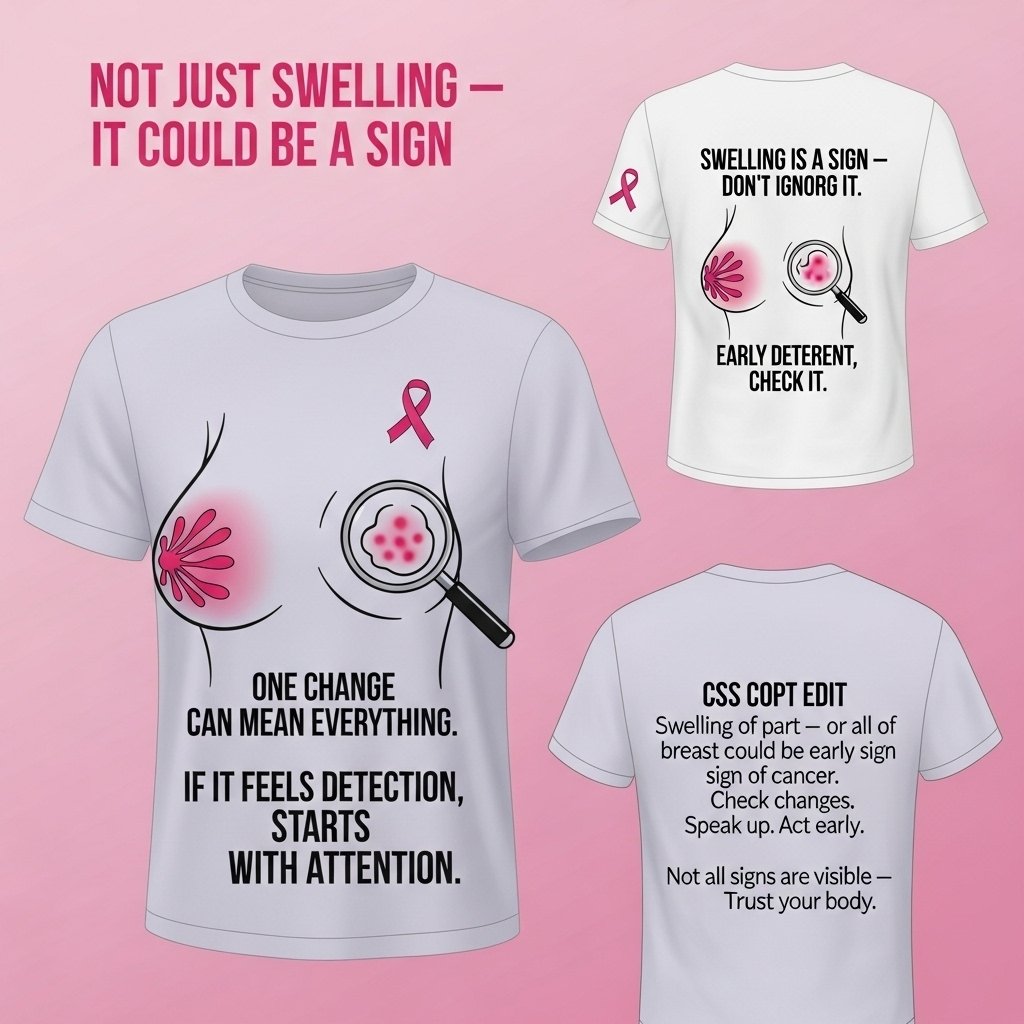
Persistent swelling is one of the breast cancer symptoms that people often ignore because it’s painless, but it should not be overlooked.
Skin Irritation or Dimpling
Skin changes are subtle but powerful breast cancer symptoms that many women in the USA initially mistake for minor skin conditions. One of the most common signs is “peau d’orange” — a texture that makes the skin look like an orange peel.
What to check:
- Dimpling or puckering of the skin: Skin that looks dimpled or pulled inward may suggest something is pulling on it from beneath, such as a tumor.
- Persistent redness or rash on the breast: If your breast has become red and warm to the touch for more than a few days, especially without injury or infection, it could be a warning sign.
- Itching or burning that doesn’t go away: This discomfort might initially resemble an allergic reaction or skin irritation but can be related to inflammatory breast cancer.
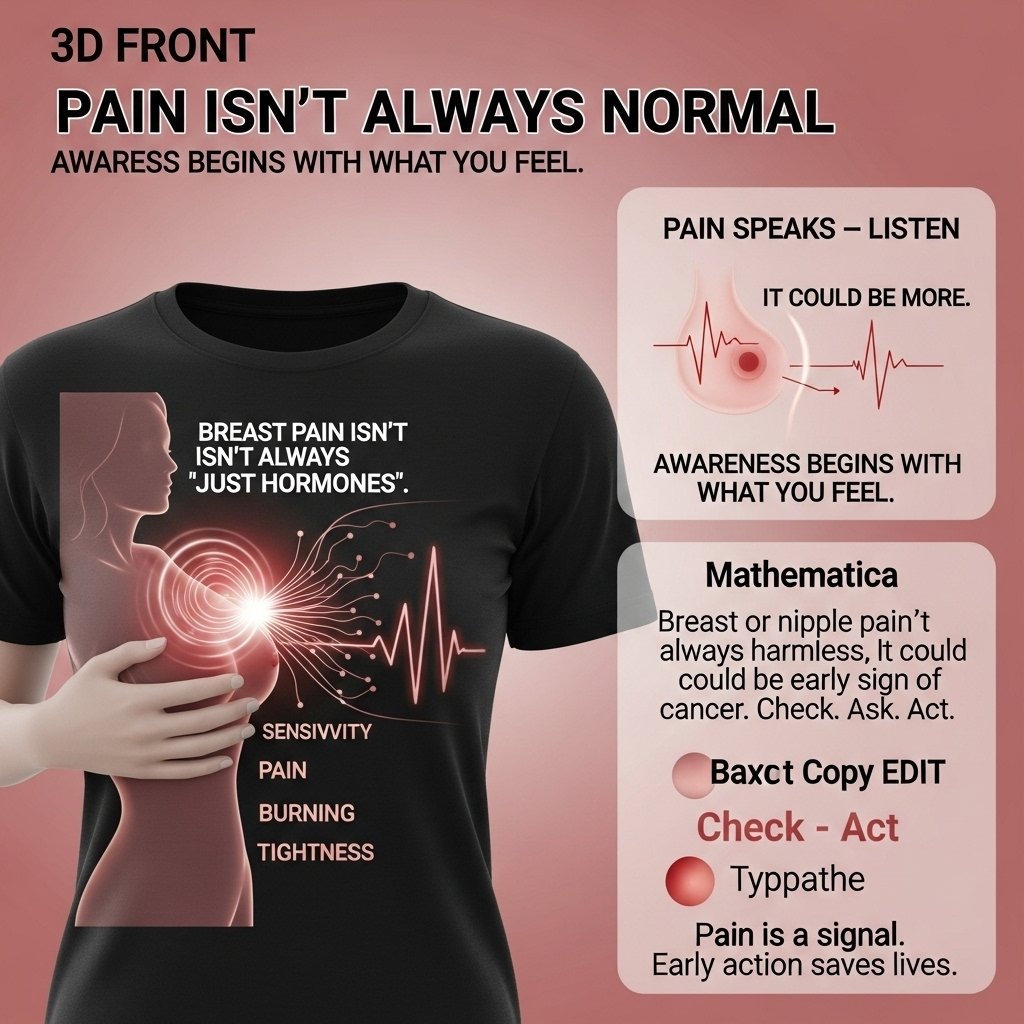
Pain in the Breast or Nipple
Contrary to popular belief, pain can sometimes accompany breast cancer symptoms. Although not always present, discomfort that persists or worsens is worth investigating.
Pain may feel like:
- Sharp or stabbing in one localized area: This isn’t typical of hormonal breast tenderness and might be a red flag.
- A constant dull ache in the breast: Chronic discomfort that doesn’t fade after your period could point to internal changes or growth.
- Nipple soreness that doesn’t subside: Pain isolated in or around the nipple that lingers for weeks can sometimes indicate underlying issues.
Nipple Retraction (Turning Inward)
If your nipple suddenly begins to pull inward or flatten, it could be a sign of tissue change beneath the surface caused by a tumor.
Other red flags:
- One nipple turns inward while the other remains normal: If this is a recent change and not your natural anatomy, it’s a cause for concern.
- Nipple shape changes over time: Any gradual or sudden alteration in the nipple’s structure may signal changes in internal tissue.
- Inverted nipple appears without trauma or previous history: Unexplained retraction should be evaluated by a doctor, especially if it’s accompanied by other symptoms.
Nipple Discharge (Especially Bloody or Clear)
Any unexpected discharge, especially if it’s bloody or happens without squeezing—can indicate problems.
Pay attention to:
- Spontaneous discharge from one breast: Discharge not related to pregnancy or breastfeeding is abnormal and needs evaluation.
- Blood-tinged or watery fluid: Clear or red fluid can be early signs of ductal carcinoma or other serious conditions.
- Discharge that stains your clothes or bra: If you notice dried fluid or yellowish or reddish stains in your bra without touching your breasts, it warrants a medical review.
Redness, Flaking, or Scaling of the Nipple or Areola
These changes are often mistaken for eczema or a skin reaction but can indicate Paget’s disease, a rare form of breast cancer. Recognizing these breast cancer symptoms early gives American women a significantly better chance at successful treatment.
Key symptoms:
- Flaking skin that won’t heal: Skin peeling or crusting that doesn’t respond to moisturizers or creams could be cancer-related.
- Crusty or scaly areola: These signs are concerning when limited to one side or continue despite proper skincare.
- Nipple soreness or sensitivity: Sensitivity that grows worse over time or feels unusual compared to your normal baseline may be a warning.
Visible Vein Changes or New Veins
New or prominent veins on the surface of your breast could signal increased blood flow caused by a growing tumor.
Check for:
- Enlarged or bulging veins: Veins that were never visible before and now appear raised or pronounced need attention.
- Veins visible only on one breast: A sudden asymmetry in vascular appearance is a red flag, especially when combined with swelling.
- Skin temperature differences: A warmer area accompanied by prominent veins may be tied to inflammatory changes beneath the surface.
Unexplained Changes in Size or Shape
Breasts naturally vary, but sudden changes in size, shape, or symmetry may point to internal abnormalities.
What to monitor:
- One breast becoming noticeably larger or firmer: Unilateral changes without an obvious cause (like weight gain or pregnancy) should prompt a check.
- Drooping or lifting that wasn’t there before: Asymmetrical sagging or lift in one breast could reflect underlying tissue changes.
- Shape distortion not linked to weight gain/loss: If one breast appears stretched, sunken, or misshapen, don’t ignore it.
Swollen Lymph Nodes
Swelling in the armpit or around the collarbone can indicate that cancer cells have spread, and is one of the breast cancer symptoms that American women most commonly overlook or mistake for something less serious.
Feel for:
- Firm lumps in the underarm: These are typically painless and feel like small marbles under the skin.
- Tender nodes near the neck or collarbone: These are often mistaken for signs of infection but could indicate metastasis.
- Persistent swelling without illness: Lymph nodes that stay swollen even when you’re not sick need to be checked out by a healthcare provider right away.
Sudden Weight Loss or Fatigue
Systemic symptoms like fatigue and weight loss often go unnoticed or get blamed on stress, but they can be early cancer signs.
Track if you:
- Lose weight without changing diet or exercise: Unintended weight loss is often one of the first systemic signs of illness.
- Feel tired despite rest: Persistent exhaustion can be a red flag when it’s disproportionate to your daily activity.
- Experience loss of appetite: Losing interest in food, especially for more than a few days, could be a warning sign.
Your Clothing Tells a Story Too
Noticing your bra or shirt fits differently? That might be the first visible breast cancer symptoms worth paying attention to, and American women should never brush it off as just a sizing issue.
Take note of:
- One cup fitting tighter than the other: A swelling or increase in breast size may show up when one side fits differently in bras or tops.
- Clothing clinging unevenly across your chest: Pay attention to how fabric rests or stretches across your chest, any imbalance could signal a problem.
- Discomfort when wearing tight tops: Clothing that suddenly feels restrictive or irritating in one area may be highlighting a physical change worth discussing with your doctor.
How to Perform a Monthly Breast Self-Exam
A proper self-exam takes just 5 minutes and is one of the most effective ways American women can stay ahead of breast cancer symptoms before they progress. Here’s how to do it effectively:
Step 1: In Front of a Mirror
- Stand with arms at your sides, and then raise them to spot any visual asymmetries or skin changes.
- Raise your arms and look for shape or symmetry changes between the breasts.
- Flex your chest muscles and look for pulling, puckering, or skin irregularities.
Step 2: In the Shower
- Use three fingers to make circular motions on the breast, applying light to medium pressure.
- Cover the entire breast, armpit, and collarbone area in a grid-like pattern.
- Feel for lumps, thickened areas, or changes in texture that weren’t there last month.
Step 3: Lying Down
- Place a pillow under one shoulder and use the opposite hand to examine that breast.
- Repeat on the other side, ensuring you cover the full area of each breast.
Consistency is key. Perform the exam at the same time each month, ideally a few days after your period ends. The sooner you recognize breast cancer symptoms, the sooner you can seek the medical attention that could make all the difference. the same time each month, ideally a few days after your period ends.

Frequently Asked Questions (FAQs)
How often should I perform a self-breast exam?
Once a month, ideally a few days after your menstrual cycle ends. If you’re postmenopausal, pick a consistent date each month. Regular self-exams help you recognize breast cancer symptoms early, when they’re most treatable.
What does a cancerous breast lump feel like?
A potentially cancerous lump is often hard, has irregular edges, and does not move easily under the skin when touched. Unlike softer, round, and movable benign lumps, cancerous ones tend to feel like small pebbles or frozen peas.
Don’t delay if you notice anything persistent or unusual, it’s one of the key breast cancer symptoms worth discussing with your doctor.
Do breast cancer symptoms cause pain?
Not all cases of breast cancer come with pain. In fact, many early breast cancer symptoms are painless, which is why self-awareness is so crucial.
However, if you experience consistent pain in a specific part of your breast or nipple, especially if it’s new and doesn’t align with your menstrual cycle, you should seek medical guidance.
Can wearing certain bras cause breast cancer?
There’s no scientific evidence linking bras to breast cancer. Wearing underwire or tight-fitting bras does not increase your risk. However, ill-fitting bras can make it harder to spot changes in size or shape.
Pay attention to how your clothes fit, especially pink breast cancer shirts or activewear, to help highlight any unusual tightness or pressure on one side.
Are visible changes in the mirror significant?
Yes, many breast cancer symptoms appear visually. Use a mirror to check for dimpling, nipple inversion, uneven size or shape, and discoloration. Compare both breasts regularly. These visual inspections take just minutes and can become an empowering routine when done consistently.
Is breast cancer more common in older women?
Breast cancer risk increases with age, especially after 50. But it can also affect younger women, sometimes in more aggressive forms.
Start by teaching younger family members about monthly checks and supporting awareness through items like breast cancer shirts for women that help promote education.
Should I worry about nipple discharge?
Nipple discharge isn’t always a sign of cancer, but it’s worth evaluating. Discharge from both nipples that’s milky may be linked to hormonal shifts or medications. But if the discharge is clear, bloody, or comes from just one nipple without stimulation, it’s a red flag and should be considered one of the breast cancer symptoms to mention to your provider.
Can men get breast cancer too?
Yes, although rare, men can develop breast cancer. Symptoms include lumps, nipple retraction, or discharge. Men with a family history of breast cancer, especially BRCA gene mutations, should conduct regular checks as well.
Awareness campaigns and even unisex breast cancer tee shirts can help challenge stigmas and promote early detection in men.
Are breast infections often mistaken for cancer?
Yes. Conditions like mastitis or clogged ducts can mimic breast cancer symptoms such as swelling, redness, and warmth. However, infections often come with fever and improve with antibiotics. If symptoms persist or worsen, your healthcare provider may recommend imaging to rule out cancer.
What if I have dense breasts and can’t feel lumps easily?
Dense breast tissue can make lump detection challenging during self-exams. In such cases, talk to your doctor about supplemental screening tools like ultrasounds or MRIs. These methods are often more effective for women with dense tissue and help reveal breast cancer symptoms that may not be felt through touch alone.
How can I encourage my friends and family to self-check?
Be open about your routine and why it’s important. Share this blog, discuss your findings, and wear advocacy gear like breast cancer awareness shirts to inspire conversations. Organize a reminder group where you and your loved ones check in monthly to keep each other accountable.
Is weight loss always a sign of breast cancer?
Not necessarily. However, unexplained and sudden weight loss without changes to your diet or activity level may be your body’s way of signaling internal stress, including breast cancer symptoms. It should be evaluated along with other signs like fatigue, loss of appetite, or breast discomfort.
Why is one breast larger than the other?
Some asymmetry is normal. However, sudden changes in one breast, especially swelling or visible changes in contour could be worth investigating. Watch how your breast cancer t shirts or bras fit over time. If one side becomes noticeably tighter or altered, it may indicate a developing symptom.
Can stress cause breast cancer?
Stress alone doesn’t cause cancer, but chronic stress can impact immune function and hormone balance. Incorporating stress-relieving practices like yoga, meditation, or walking outdoors supports overall wellness and may improve early breast cancer symptoms recognition before they go unnoticed.
Do a self-exam today. Mark your calendar. Talk about it. And wear your support proudly with a breast cancer shirt to spread awareness in your own way.
Stay alert. Stay empowered. Stay one step ahead!
There are no reviews yet.