Discover the best bingo casinos UK 2026 with our expert guide. Compare top sites, bonuses, mobile apps, and no-deposit offers. Bet365, Mecca, Tombola, and more reviewed. read our guide to the best bingo casinos


Understanding Brain Cancer: Causes, Early Signs, and Risk Factors
The human brain is the control center of the body, responsible for everything from movement to memory. When something as serious as Brain Cancer interferes with that system, it affects more than just health, it changes lives. Yet despite its profound impact, it remains one of the most misunderstood diseases. People often don’t recognize the early signs or understand what causes it.
Raising brain cancer awareness helps us detect problems early and empowers families to seek timely care. As we walk through this guide, you’ll gain the information needed to recognize the risks and warning signs. The next section digs into what actually causes this complex condition.
What Is Brain Cancer?
The cancer of the brain happens when abnormal cells form in the brain’s tissues and begin to grow uncontrollably. These cells can form primary tumors in the brain or metastasize from other parts of the body. What makes this form of cancer so challenging is its location. The brain cannot expand within the skull, making even small tumors dangerous.
Doctors often classify tumors as either benign or malignant, and malignant tumors are what we refer to as cancer. Because it disrupts basic functions like breathing, vision, and balance, immediate attention becomes crucial. Now, let’s explore what actually leads to this condition in the first place.
Common Causes of Brain Cancer
Researchers haven’t pinned down one single cause for brain tumor. Instead, it’s often the result of a complex interaction of environmental, genetic, and lifestyle-related factors.

Some common causes include:
- Exposure to high levels of radiation: This refers to situations such as undergoing radiation treatment to the head for other conditions, particularly during early childhood. Over time, this exposure may alter brain cells and increase the risk of abnormal cell growth.
- Inherited genetic mutations: Certain rare hereditary conditions, like Li-Fraumeni syndrome and neurofibromatosis, are directly linked to a higher chance of brain tumors. These genetic factors can be passed from parent to child.
- Immune system disorders: People with compromised immune systems due to conditions like HIV/AIDS or those on immunosuppressive drugs may experience unchecked cell mutation, increasing the risk of cancer.
- Prolonged exposure to toxic chemicals or industrial solvents: Long-term contact with substances like formaldehyde, vinyl chloride, and pesticides in the workplace can disrupt cell regulation in the brain, potentially leading to tumor development.
Although not every cause is within our control, understanding these possibilities empowers people to make better choices. Up next, we’ll explore risk factors that increase the likelihood of developing this illness.
Major Risk Factors to Know
Recognizing risk factors doesn’t mean someone will definitely develop cancer of the brain, but it does raise awareness of who might be more vulnerable. Being aware of your risks leads to smarter screenings and quicker intervention.
Key risk factors include:
- Family history of brain tumors: Genetics play a powerful role. Individuals with close relatives who have been diagnosed with brain tumors may inherit genetic tendencies that increase their own risk.
- Prolonged cell phone use without protection: While research is ongoing, some data suggest that extended use of mobile phones without hands-free devices could expose the brain to low-level radiation over time.
- Age: Brain tumors can affect all age groups, but statistics show that older adults, especially those over 60, are more susceptible to aggressive forms of the disease.
- Gender: Certain types of cancers are seen more frequently in men than in women, although specific forms like meningiomas are more common in women.
- Certain infections like Epstein-Barr Virus: This common virus has been associated with an increased risk of central nervous system lymphomas, a rare form of the cancer of the brain.
If you or someone close fits into one or more of these categories, it’s wise to be proactive. Let’s now shift our focus to the warning signs that should never be ignored.
Early Warning Signs and Symptoms
Symptoms of Brain Cancer often mimic other conditions, making it difficult to detect at first. However, there are patterns that can point to a larger issue.

Watch for these signs:
- Persistent or worsening headaches: These are often the earliest signs, typically more severe in the morning or after lying down. The pressure buildup in the skull can make everyday discomfort much more severe than a typical headache.
- Seizures with no history of epilepsy: A brain tumor can disrupt the normal electrical activity in the brain, leading to sudden convulsions or muscle twitching even in those without a history of neurological issues.
- Changes in vision or speech: Tumors pressing against specific areas of the brain can cause double vision, loss of peripheral vision, or speech difficulties like stuttering or word-finding problems.
- Personality or mood shifts: A once-calm person becoming easily agitated or anxious may be showing signs of brain involvement. These changes can affect relationships and work performance.
- Difficulty with balance or motor skills: If someone starts stumbling frequently or has trouble with simple physical tasks like tying shoelaces, it may point to a tumor interfering with motor coordination.
- Nausea or vomiting without clear cause: While these symptoms might seem digestive, they can result from raised intracranial pressure due to tumor growth.
- Memory loss or confusion: Forgetting recent events, struggling to focus, or getting easily confused in familiar situations may indicate cognitive decline caused by tumor-related brain function changes.
Recognizing these symptoms early could lead to a faster diagnosis and better outcome. Let’s continue by looking at how early detection and diagnosis actually work.
The Importance of Early Diagnosis
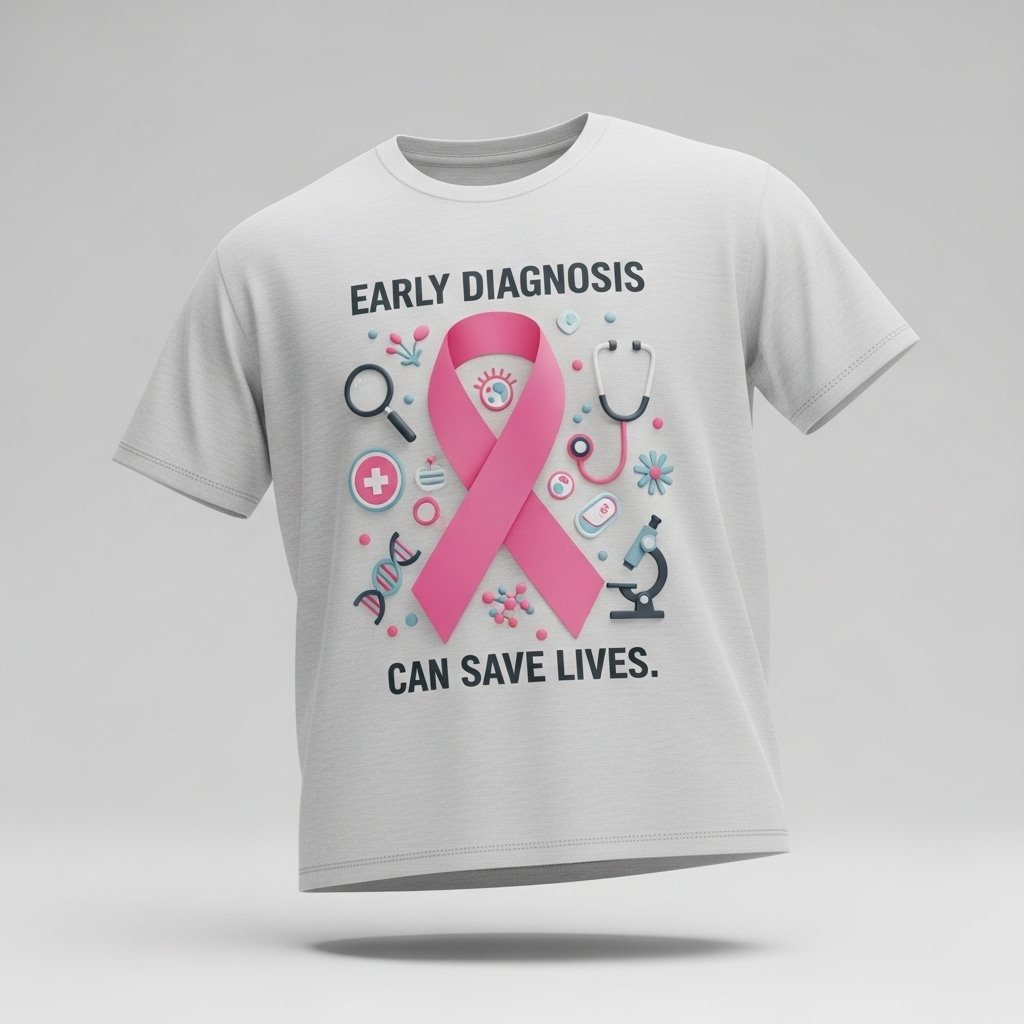
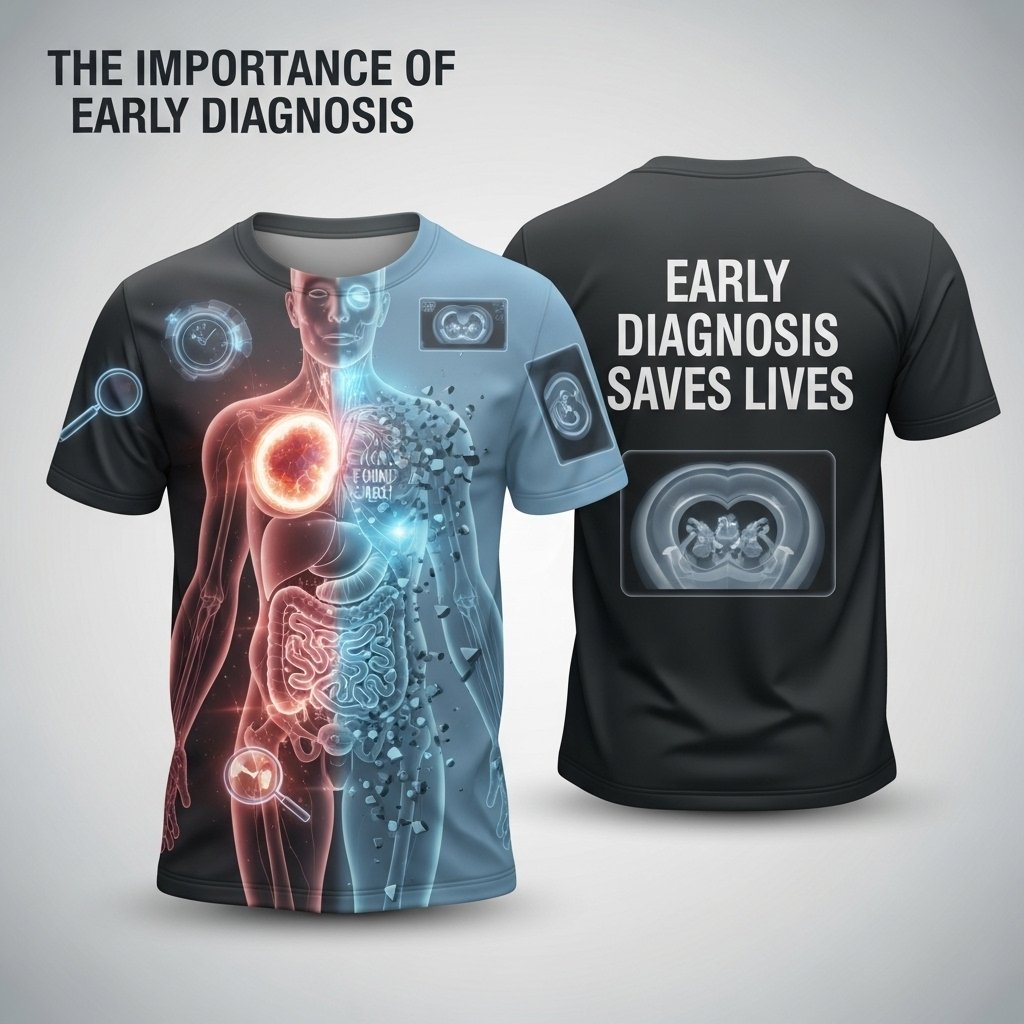
Early diagnosis is often the single most critical factor in improving brain cancer survival rates. The earlier brain cancer is caught, the more treatment options become available and the greater the chance of a successful outcome. However, many people hesitate to see a doctor until symptoms become severe, which unfortunately allows brain cancer to progress to more advanced and harder-to-treat stages.
Recognizing the warning signs early and acting on them immediately can be the difference between a manageable diagnosis and a life-altering one. If you or someone you love is experiencing persistent neurological symptoms, do not wait, seek medical evaluation as soon as possible.
Diagnostic tools doctors use to detect brain cancer early:
- MRI and CT Scans: These advanced imaging tools provide highly detailed views of the brain, helping doctors precisely identify the location, size, shape, and impact of tumors before proceeding with any treatment planning. MRI scans are particularly effective for detecting brain cancer in its earliest stages when tumors are still small and localized.
- Neurological Exams: These comprehensive exams assess how well the brain communicates with the rest of the body. Weakness, numbness, coordination issues, vision disturbances, and cognitive decline are all potential clues pointing toward underlying brain cancer tumors that may not yet be visible to the naked eye.
- Biopsies to Analyze Tumor Type: A small piece of brain tissue is carefully extracted and examined under a microscope by a specialist pathologist. This procedure is essential for determining whether the brain cancer tumor is benign or malignant, what grade it is, and which treatment protocol will be most effective.
- Lumbar Punctures (in select cases): Especially for brain cancer tumors suspected to affect the central nervous system, analyzing cerebrospinal fluid can provide critical diagnostic details that imaging alone cannot reveal. This procedure helps doctors understand how far the cancer may have spread within the nervous system.
- PET Scans: Positron emission tomography scans are increasingly used alongside MRI to detect metabolic activity in brain cancer tumors. They help doctors distinguish between active tumor tissue and scar tissue following treatment, providing a clearer picture of how the cancer is responding.
- Blood and Genetic Marker Tests: Emerging diagnostic approaches now include analyzing blood samples for specific genetic markers associated with brain cancer. These tests are helping oncologists develop more personalized and targeted treatment plans based on the unique molecular profile of each tumor.
Why delayed diagnosis makes brain cancer harder to treat:
- Tumors grow larger and become more difficult to surgically remove
- Brain cancer spreads to surrounding healthy tissue over time
- Fewer treatment options remain viable at advanced stages
- Recovery periods become longer and more complex
- Survival rates decline significantly with each stage of progression
Early intervention is not just about treating brain cancer it is about preserving quality of life, cognitive function, and independence for as long as possible. Patients diagnosed at earlier stages consistently report better outcomes, faster recovery, and a stronger response to treatment.
It is also worth noting that early detection principles apply across all cancer types. If you found this guide helpful, you may also want to read our comprehensive resource on Breast Cancer Symptoms by Stage; another critical guide that walks through how early symptom recognition can dramatically change treatment outcomes and survival rates across different cancer diagnoses.
Understanding brain cancer diagnosis is only one part of the journey. In the next section, we will explore the full range of treatment options available to brain cancer patients today and what emerging therapies are offering new hope for the future.
Understanding these steps can help patients and families act with confidence. The next section breaks down the different types of brain tumors to help clarify what each diagnosis could mean.
Types of Brain Tumors
Brain tumors vary widely in behavior, aggressiveness, and origin. Knowing the type can shape expectations and treatment.

- Gliomas: These originate from glial cells that support neurons. They include astrocytomas, oligodendrogliomas, and glioblastomas, the latter being one of the most aggressive and deadly types.
- Meningiomas: These develop from the meninges, the protective membranes around the brain and spinal cord. Most meningiomas are benign but can still cause symptoms due to size or location.
- Pituitary tumors: These occur in the pituitary gland, which controls hormones. They are often benign but can disrupt hormonal balance.
- Medulloblastomas: Common in children, these tumors arise in the cerebellum and can spread through the cerebrospinal fluid.
- Metastatic tumors: These start in other parts of the body like the lungs or breasts and spread to the brain, complicating treatment.
Each type has different prognosis and treatment approaches, making accurate diagnosis vital. Now, let’s discuss treatment options that patients may face.
Treatment Options for Brain Cancer
Treatment depends on multiple factors including tumor type, size, location, and patient health.
- Surgery: Removing as much of the tumor as possible without damaging vital brain areas is often the first step. Advances in neurosurgery enable more precise operations.
- Radiation therapy: High-energy beams target and kill cancer cells that remain after surgery or cannot be removed.
- Chemotherapy: Drugs circulate through the body to kill rapidly dividing cancer cells, though some tumors respond better than others.
- Targeted therapies: These newer drugs attack specific molecules involved in tumor growth, offering hope for more effective treatments with fewer side effects.
- Supportive care: Managing symptoms such as seizures, swelling, and pain is essential for quality of life.
Effective treatment often involves a combination of approaches tailored to the individual. Understanding this prepares patients and families for the road ahead.
How Awareness Can Make a Difference
Raising highlighted brain cancer awareness is a crucial step toward early detection and support. Wearing brain cancer awareness t shirts or brain cancer awareness month t-shirts during campaigns helps spark conversations that can save lives. People also connect deeply through brain cancer survivor t shirts, sharing stories of strength and resilience that inspire hope in others.
Creative approaches add a fresh layer to awareness efforts. For example, some groups use brain cancer t shirt designs that blend powerful messages with eye-catching art. And to engage a broader audience, brain cancer t-shirts funny inject humor and lightheartedness, making the topic more approachable and breaking down stigma.
This combination of awareness, support, and even a bit of levity encourages more people to pay attention and take action.
Frequently Asked Questions (FAQ)
What is the difference between a benign and malignant brain tumor?
Benign tumors are non-cancerous growths that typically grow slowly and do not spread to other parts of the brain or body. They can still cause problems by pressing on sensitive brain tissue but generally have better outcomes with treatment.
Malignant tumors, on the other hand, are cancerous, grow rapidly, invade nearby tissues, and can spread through the brain or spine, making them more dangerous and harder to treat.
Can lifestyle changes reduce the risk of developing brain tumors?
While some risk factors like genetics or age are unavoidable, lifestyle changes can help lower overall cancer risk. Avoiding prolonged exposure to toxic chemicals, using protective gear if working in hazardous environments, minimizing unnecessary radiation exposure, and practicing healthy habits like not smoking may contribute to reducing risk. Staying informed about symptoms and seeking timely medical advice is equally important.
How is cancer treated?
Treatment depends on tumor type, size, location, and patient health. Common options include surgical removal of the tumor, radiation therapy to destroy cancer cells, and chemotherapy drugs that target rapidly dividing cells.
Emerging treatments such as targeted therapy, immunotherapy, and clinical trials offer hope for more personalized care. Supportive therapies address symptoms and improve quality of life during treatment.
What role does early detection play in brain cancer outcomes?
Early detection is crucial for better prognosis. Detecting tumors before they grow large or spread allows for more treatment options and higher chances of success. Since early symptoms can be subtle or resemble other conditions, being aware of warning signs and acting promptly can save lives. Regular checkups and imaging may be recommended for high-risk individuals.
Are there any ways to participate in cancer awareness and support?
Yes, wearing brain cancer awareness month t-shirts can help spread the message. Fundraising events, volunteering for support groups, and educating your community increase understanding and provide crucial resources for patients and researchers.
How can I support a loved one who has been diagnosed with a tumor in the brain?
Emotional support is vital. Listen without judgment, accompany them to medical appointments if possible, and help manage practical tasks like medication schedules or transportation. Encourage healthy habits and maintain hope, while respecting their wishes. Joining support groups can offer both the patient and caregivers a network of understanding individuals.
Is brain cancer hereditary?
Most cases are sporadic, meaning they happen without a clear inherited cause. However, in rare cases, inherited genetic mutations can raise the risk. If you have a family history of brain tumors or certain genetic syndromes, consulting a genetic counselor can provide insight and personalized guidance.
Understanding Brain Cancer requires more than just medical knowledge. It involves empathy, vigilance, and action. From recognizing early symptoms to spreading awareness through a brain cancer t shirt, every effort makes an impact.
The journey ahead may be complex, but it doesn’t have to be lonely or unclear. By staying informed, supporting awareness campaigns, and engaging in preventive care, we move toward a future where more people catch this disease early and recover with strength.
Show your support and spread brain cancer awareness by exploring thoughtful, cause-driven products at Printify Gifts.
There are no reviews yet.