Discover the best bingo casinos UK 2026 with our expert guide. Compare top sites, bonuses, mobile apps, and no-deposit offers. Bet365, Mecca, Tombola, and more reviewed. read our guide to the best bingo casinos


Is That Rash a Sign of Breast Cancer? Here’s How to Tell
When a rash suddenly appears on your breast, the mind naturally wonders what it could mean. Is it a harmless irritation or a warning signal for something more serious? Among the many causes of breast rashes, one that needs immediate attention is a breast cancer rash. Although it is not common for breast cancer to show as a rash, certain aggressive forms do cause skin changes that resemble rashes or inflammation.
Recognizing the signs early is critical because it can lead to timely diagnosis and treatment, which improves outcomes. In this comprehensive guide, you will learn everything you need to know about breast cancer rash, how to identify it, distinguish it from benign rashes, and what steps to take if you suspect something is wrong. By the end, you will feel empowered to listen to your body and act confidently.
What Is a Breast Cancer Rash and Why It Matters
A breast cancer rash is a skin change caused by underlying breast cancer cells affecting the skin layers. Unlike typical rashes caused by allergies or infections, this rash usually involves more serious tissue changes. The most well-known breast cancer associated with rash-like skin changes is inflammatory breast cancer (IBC), which affects the lymphatic vessels in the skin, causing redness, swelling, and warmth.
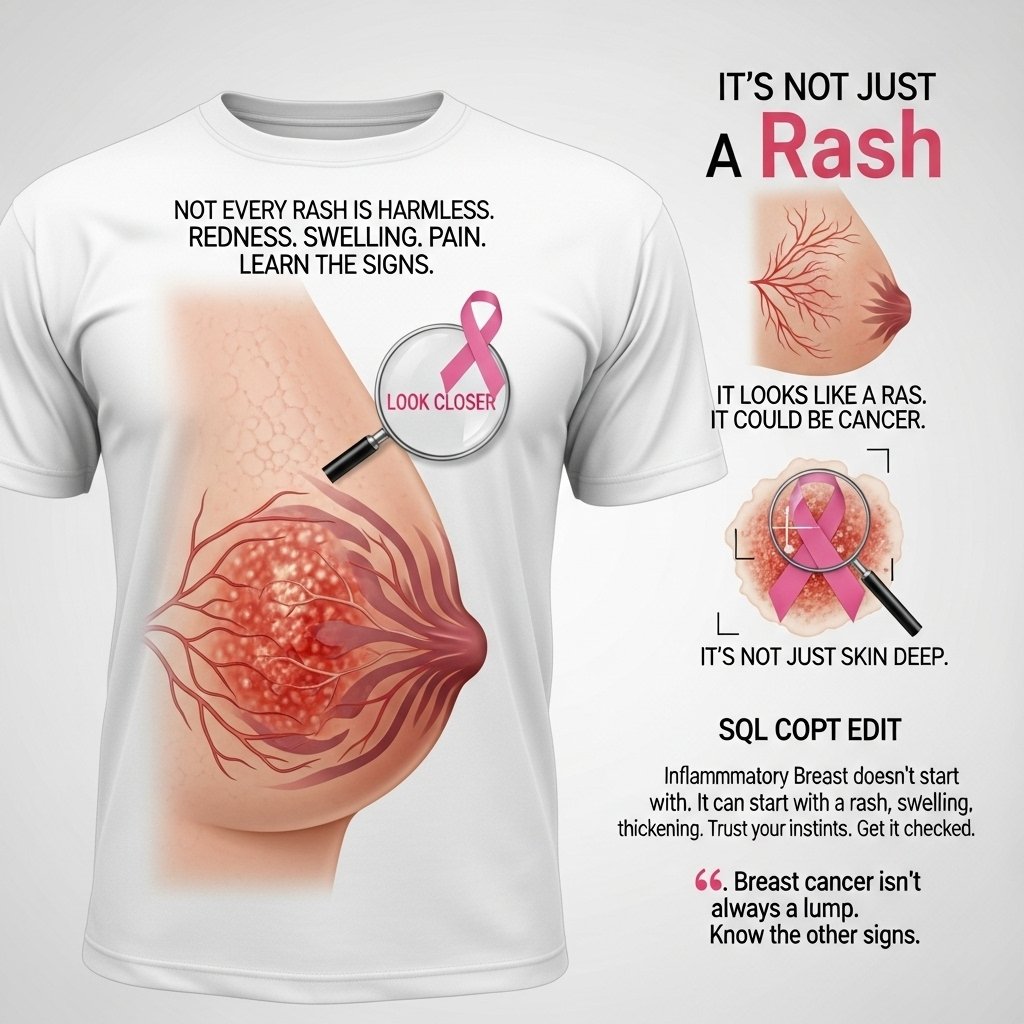
Common characteristics of a breast cancer rash include:
- Persistent redness that may look like a sunburn or irritation
- Swelling or thickening of the breast skin
- Dimpling or puckering, sometimes described as resembling an orange peel (known medically as peau d’orange)
- Pain or tenderness in the affected area
- Changes around the nipple, such as inversion or discharge

These signs matter because they indicate cancer cells have begun spreading through the lymphatic system, which requires urgent evaluation. Ignoring these symptoms delays diagnosis and reduces treatment options. It’s essential to understand these signs in detail to differentiate them from common skin issues.
The next section will explore how to tell the difference between a breast cancer rash and more common, harmless rashes so you can know when to get checked.
Breast Cancer Rash vs. Common Skin Irritations
Rashes on the breast are quite common and usually caused by factors such as:
- Allergic reactions to soaps, detergents, or fabrics
- Fungal or bacterial infections, especially in warm, moist areas
- Heat rash or chafing from tight clothing or exercise
- Eczema or dermatitis, which cause itchy, flaky skin
Unlike these common causes, a breast cancer rash has unique features:
- It does not improve with typical over-the-counter treatments or home remedies
- It tends to worsen or spread over a short period
- Accompanies other breast symptoms such as lumps, swelling, or nipple changes
- The skin may feel firm or thickened instead of soft and flaky

These distinctions are important because many people mistake a breast cancer rash for eczema or infection, leading to delayed diagnosis. While eczema often causes intense itching and visible flaking, a breast cancer rash may cause little or no itching but significant swelling and redness.
If you notice a rash that persists beyond two weeks, doesn’t respond to treatment, or comes with accompanying symptoms, see a healthcare provider for further evaluation without delay.
Next, we will talk about common locations on the breast where such rashes may appear, helping you understand where to focus your attention during self-exams.
Where Breast Cancer Rashes Typically Appear
A breast rash does not always start right on the nipple. It often begins in areas where lymphatic fluid drains, which explains why rashes can appear on:
- The upper outer quadrant of the breast (near the armpit)
- The area around the nipple and areola
- The skin beneath the breast (inframammary fold)
- Occasionally spreading to the chest wall and collarbone area
These areas are rich in lymph vessels, which cancer cells use to spread, causing inflammation in the skin. This explains why redness and swelling in these regions can be early signs.
Checking these regions carefully during self-exams is critical. Women and men alike should be aware of any persistent redness or skin changes in these specific locations. The breast itself may also feel heavier or firmer in the affected area.
In the next section, we will dive deeper into inflammatory breast cancer, the type most closely associated with a rash of breast cancer.
Understanding Inflammatory Breast Cancer (IBC)
Inflammatory breast cancer (IBC) is a rare but aggressive form of breast cancer accounting for about 1 to 5% of all breast cancer cases in the U.S. Unlike other breast cancers, it does not typically form a lump. Instead, it spreads rapidly through the skin’s lymphatic vessels, causing swelling and redness that look like a rash.
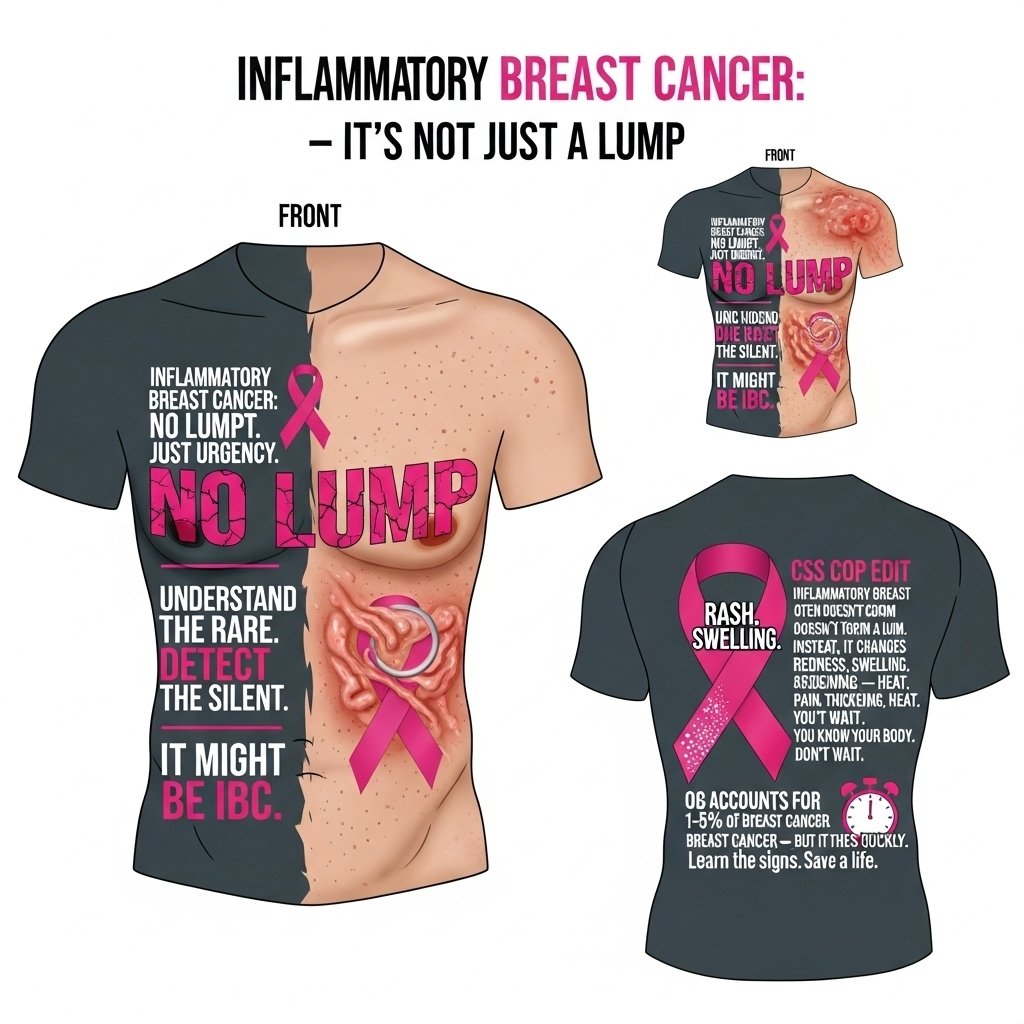
Symptoms of IBC include:
- Rapid swelling or enlargement of the breast, sometimes within weeks
- Bright red or purple discoloration of the skin
- Warmth or tenderness over the affected breast
- Dimpling or thickening of the skin (peau d’orange)
- Flattening or inversion of the nipple
- Sometimes, swelling of nearby lymph nodes in the armpit

Because IBC mimics infections like mastitis, it is often misdiagnosed at first. But unlike infections, antibiotics do not improve symptoms. Early recognition and diagnosis are crucial because IBC progresses rapidly and requires immediate treatment.
Awareness of IBC signs can save lives by prompting faster medical evaluation. Let’s move on to how the rash feels and looks, as texture is a vital clue.
How a Breast Cancer Rash Feels
Texture changes with a rash can be subtle or pronounced but are an important sign. The skin may feel:
- Thickened or swollen compared to surrounding skin
- Firm or hard to the touch rather than soft and pliable
- Rough or uneven, with puckering or dimpling
- Hot or warm when touched, indicating inflammation
Unlike common rashes that might itch or cause flaking, a breast rash may feel tense or heavy without itching. Many women describe the affected skin as looking like orange peel due to tiny indentations and bumps.
If you detect any skin that feels unusually firm, thickened, or puckered, especially if accompanied by redness, schedule a medical appointment promptly.
In the next section, we discuss the critical timeline of rash persistence and why acting early is essential.
How Long Is Too Long?
Time matters immensely when it comes to breast changes. A rash lasting more than two weeks that does not respond to home treatments or worsens should raise red flags.
Breast cancers linked to rashes, like IBC, tend to progress quickly—over weeks rather than months. That means even a rash that has appeared suddenly and spread fast deserves urgent attention.
You should seek medical advice promptly if you experience:
- A rash lasting over two weeks without improvement
- Rapid spreading of redness or swelling
- Additional symptoms such as nipple changes, discharge, or pain
- A feeling of heaviness or fullness in the breast
Early medical evaluation increases the chance of detecting cancer before it advances. Understanding the diagnostic process can help reduce anxiety during this important step.
What to Expect at the Doctor’s Office
Doctors typically begin with a detailed history and physical exam, focusing on breast and skin changes. They will check for lumps, swelling, skin texture, and nipple abnormalities.
Diagnostic steps may include:
- Mammogram: To image the breast tissue
- Ultrasound: To check for masses or fluid collections
- MRI: Provides detailed imaging for complex cases
- Skin biopsy: Taking a small sample of affected skin for lab analysis
- Breast tissue biopsy: To confirm cancer presence and type
- Blood tests: To rule out infections or other causes
The biopsy is essential for confirming a diagnosis. It helps distinguish cancer from inflammatory or infectious skin diseases.
Knowing what to expect eases fears and promotes proactive care. Once diagnosed, understanding treatment options will guide the next phase.
Treatment Options for a Breast Cancer Rash
Treatment really depends on the type and stage of cancer, but it usually comes down to a mix of these:
- Chemotherapy, often the first step, especially with IBC, to shrink the tumor and stop it from spreading further
- Surgery, which could mean a lumpectomy or, in more serious cases, a full mastectomy
- Radiation, typically after surgery to clean up any remaining cancer cells
- Hormone therapy, if the cancer turns out to be hormone receptor-positive
- Targeted therapy, drugs built to go after specific things the cancer cells need to grow
With IBC and similar cancers, things move fast, so doctors often combine several of these treatments rather than relying on just one.
Even after treatment wraps up, doctors keep watching for any skin changes, and having a team of different specialists involved usually makes a real difference in how care goes. A lot of people going through recovery also lean on small comforts, soft clothing being a big one, and that’s where something like Printify Gifts can help, since they offer pieces that are easy on skin that’s still sensitive or healing.
Self-Checks and Early Detection Tools
Monthly breast self-exams remain a cornerstone of early detection. While most breast cancers do not cause rashes, those that do often present subtle early signs.
Steps for effective self-exam:
- Stand before a mirror with arms at your sides
- Look for changes in size, shape, or skin texture
- Raise arms and look for nipple changes or dimpling
- Use fingers to feel the entire breast and underarm area for lumps or thickened skin
- Note any redness, swelling, or unusual sensations
Document any changes. Use apps or journals for tracking. Promptly report suspicious signs to your healthcare provider.
The Role of Awareness and Visual Campaigns
Advocacy and awareness play crucial roles in education and early detection. Wearing a breast cancer t shirt or breast cancer shirts pink not only shows support but encourages dialogue.
Popular awareness items include:
- breast cancer awareness month shirts that highlight October’s campaigns
- Creative breast cancer awareness shirt ideas designed to inspire action
- Specialty breast cancer awareness tee shirts used in fundraisers
There are versatile breast cancer designs for shirts. These visual symbols remind communities of the importance of screening and vigilance.
Debunking Common Myths About Breast Cancer Rashes
Myths delay diagnosis and treatment. Common misconceptions are:
- “Breast cancer always causes a lump first.”
- “Only older women get breast cancer.”
- “Men do not get breast cancer.”
- “If it itches, it’s not serious.”
The reality is that rash can be an early sign, especially in aggressive cancers. Men can and do develop breast cancer, so awareness is crucial across genders. Wearing breast cancer shirts for men helps normalize these conversations.
What About Breast Cancer in Men?
Men have breast tissue and can develop cancer, though it’s less common. Symptoms include:
- Rash or redness on the chest
- Nipple changes or discharge
- Skin thickening or swelling
Men often delay seeking help, so promoting education with breast cancer awareness shirts for guys increases knowledge and early detection.
Frequently Asked Questions
Q1: Can a rash alone confirm breast cancer?
No. A breast cancer rash cannot be confirmed by appearance alone. Many benign conditions like eczema or allergic reactions look similar. However, if the rash persists, doesn’t improve with treatment, or comes with swelling or nipple changes, seek medical evaluation promptly.
Q2: How fast does an inflammatory breast rash develop?
A breast cancer rash associated with inflammatory breast cancer can develop within just a few weeks. Unlike other breast cancers, it progresses aggressively, causing rapid skin changes, redness, and swelling. If your breast enlarges quickly or feels warm, seek medical advice immediately.
Q3: Can men get a breast cancer rash?
Yes. Although male breast cancer is rare, accounting for less than 1% of all cases, men can experience redness, swelling, or skin changes on the chest. Men often overlook these symptoms, leading to later-stage diagnosis, so any persistent changes should be checked promptly.
Q4: Does a breast cancer rash always itch?
No. Many cases involve skin that feels firm, thickened, or swollen without any itching. Look for redness, warmth, swelling, or an orange peel-like texture instead. Seek medical evaluation even if itching is completely absent.
Q5: What treatments are available if the rash is caused by breast cancer?
Treatment typically combines chemotherapy, surgery, radiation, and targeted therapies depending on the type and stage of the breast cancer rash diagnosis. Early treatment significantly increases the likelihood of successful outcomes.
Many campaigns use awareness clothing to educate the public about early signs, including breast rash, promoting early detection that can save lives.
A persistent, unusual rash on the breast can signal more than skin irritation. Recognizing a breast cancer rash early can be life-saving. Combine self-awareness with regular medical check-ups, and support broader efforts like World Cancer Day through meaningful clothing and dialogue.
See your doctor if you notice any suspicious rash. Share this guide to empower others. Wearing a breast cancer awareness shirt ideas can start vital conversations. Your health deserves your immediate attention.
There are no reviews yet.