

Cancer Days: The Importance of Support Groups and Community in USA
Cancer days are some of the toughest moments anyone can face. They bring fear, uncertainty, and sometimes a deep sense of loneliness. But in those moments, support groups and community connections can be lifesavers. They provide understanding, hope, and strength when it feels like everything is falling apart.
This blog explores why having a community around you during this difficult time can change everything, and how the right support turns those hard days into something you no longer have to face alone. Across the USA, thousands of patients and caregivers are finding strength through community every day because no one should ever have to carry this weight in silence.
The Emotional Power of Connection on Cancer Days
When Cancer Days hit, the weight of the situation can feel crushing. It’s natural to feel scared, angry, or overwhelmed, but feeling alone with those emotions makes it worse. Support groups offer a place where you can share what you’re going through without fear of judegment. Just knowing someone else “gets it” can be incredibly healing.
Being part of a community helps:
- Make your feelings real and heard
- Break the silence and isolation
- Inspire hope by hearing others’ stories
- Create a space where you truly belong
There’s something profoundly comforting about hearing the words, “I’ve been there too,” or simply knowing you’re not the only one struggling. Sometimes, it’s the shared glances or nods during a group meeting that say more than words ever could. These moments knit people together in understanding, turning strangers into companions on a hard journey.
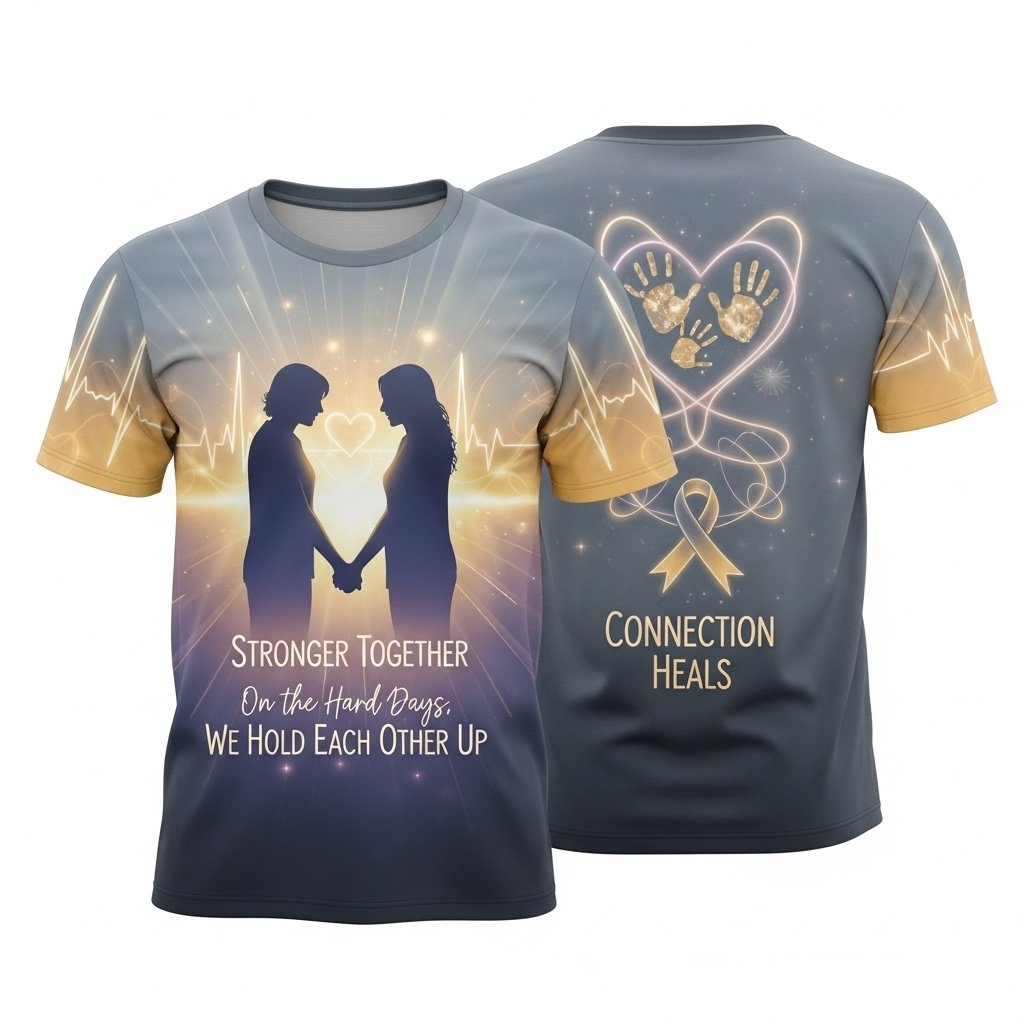
Cancer fundraising events across the USA bring people together to remind everyone that no one is fighting alone. This emotional connection is the foundation for building strength, which we’ll explore next.
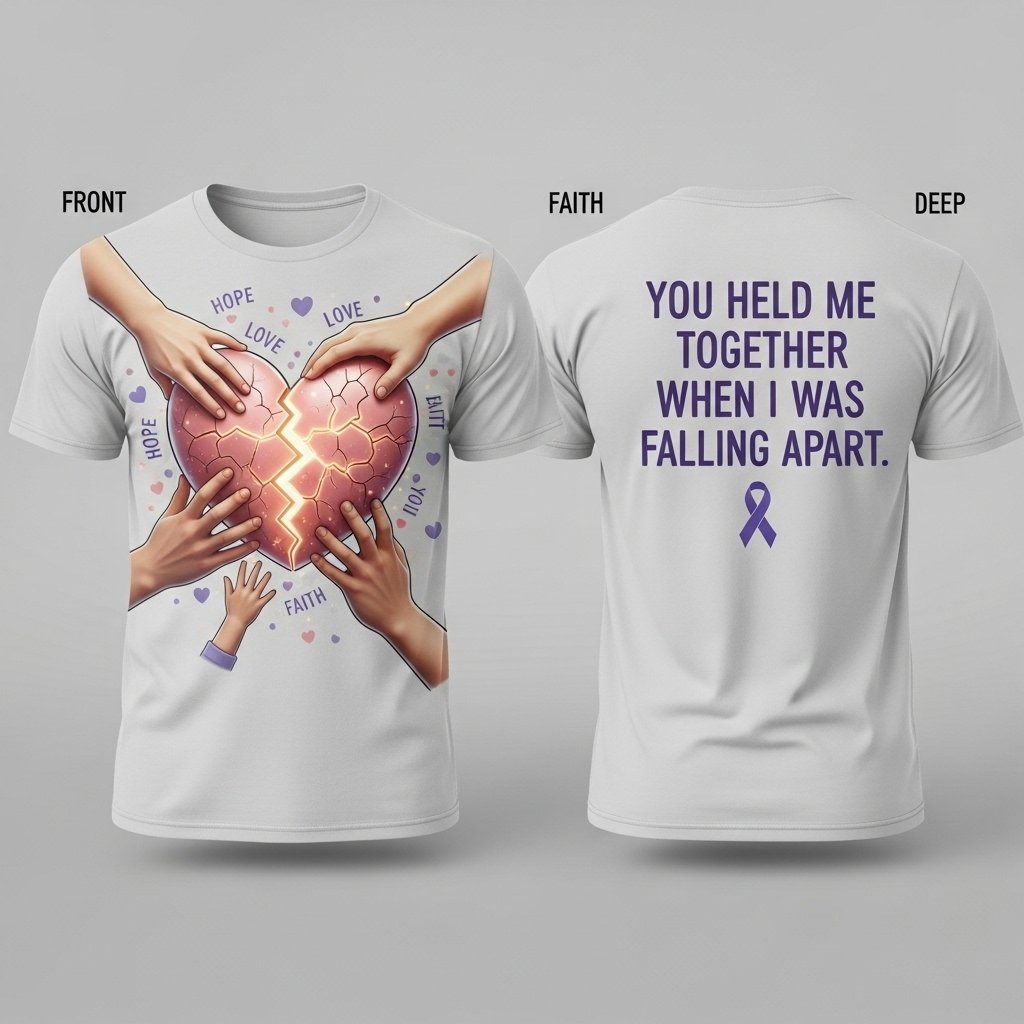
Building Resilience Through Shared Experience
There’s a quiet power in hearing someone else say, “I’ve been there too.” Support groups across the USA show that cancer days aren’t a solitary battle. Listening to others who have walked the same path helps turn fear into strength.
Here’s what sharing experiences does:
- Offers practical advice for managing tough symptoms
- Sparks hope from stories shared on National Cancer Survivors Day
- Celebrates victories, no matter how small
- Builds resilience by knowing others have made it through
When you hear about someone who once felt as lost and scared as you do now but who is now thriving or simply managing better, it can shift your perspective entirely. That story becomes a beacon, a reminder that the dark moments are not the end of the story. It encourages you to hold on, to try again tomorrow.
This shared strength helps you face the next challenge with a little more courage. Resilience also comes from learning more, which brings us to how communities raise cancer awareness.
Raise Awareness Through Community Involvement
Support groups aren’t just about sharing stories; they’re also about spreading knowledge. Through participating in World Cancer Day 2026 and Cancer Awareness Month, communities educate members and the public about what cancer days truly look like and why collective action matters.
They help to:
- Break down myths and stigma
- Empower people to advocate for their health
- Connect personal journeys to a bigger movement
Being part of something bigger than yourself creates a powerful sense of purpose. Knowing that your story could help another person spot early symptoms or seek care sooner is deeply motivating. It turns personal pain into a collective force for good. sooner is deeply motivating. It turns personal pain into a collective force for good.
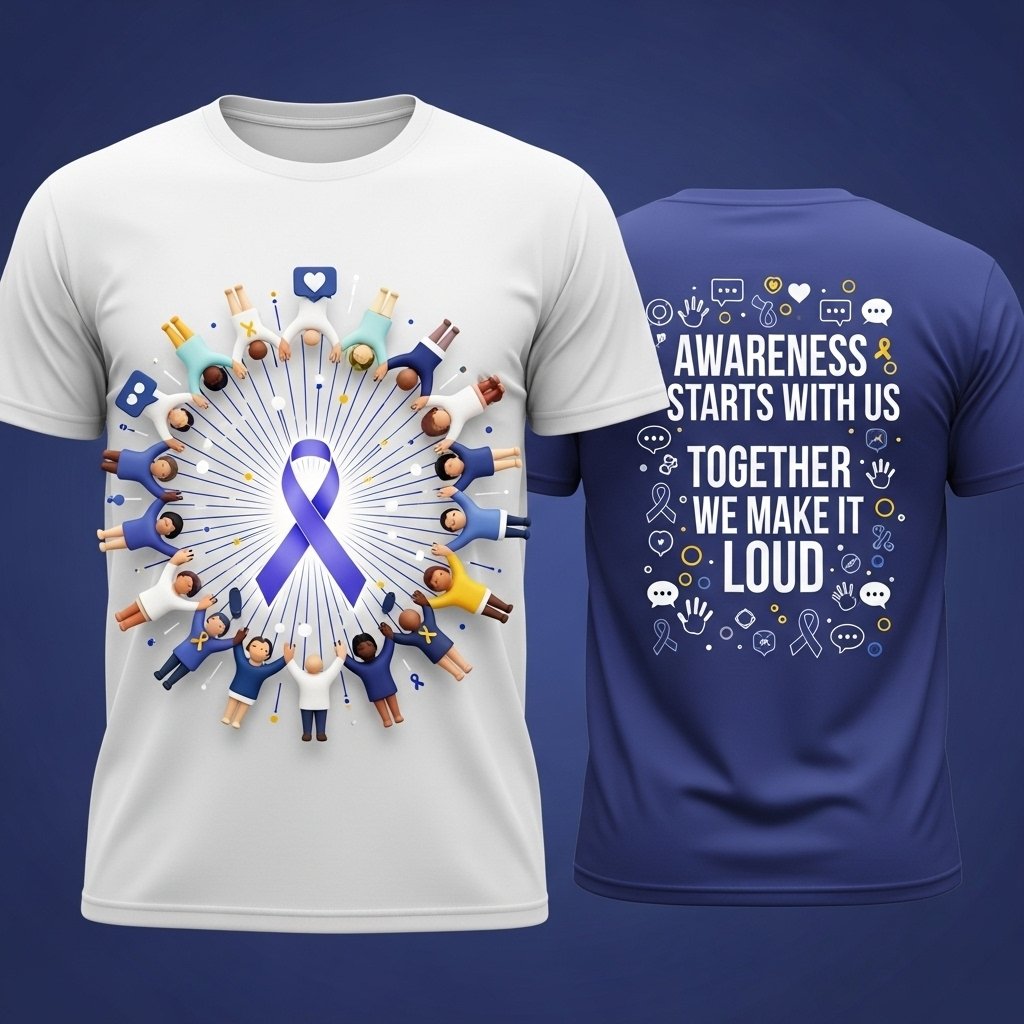
Additionally, these efforts help bring the conversation about cancer out of the shadows. When people share openly, it chips away at the silence and stigma that often isolate patients and their families. Awareness breeds understanding—and understanding saves lives.
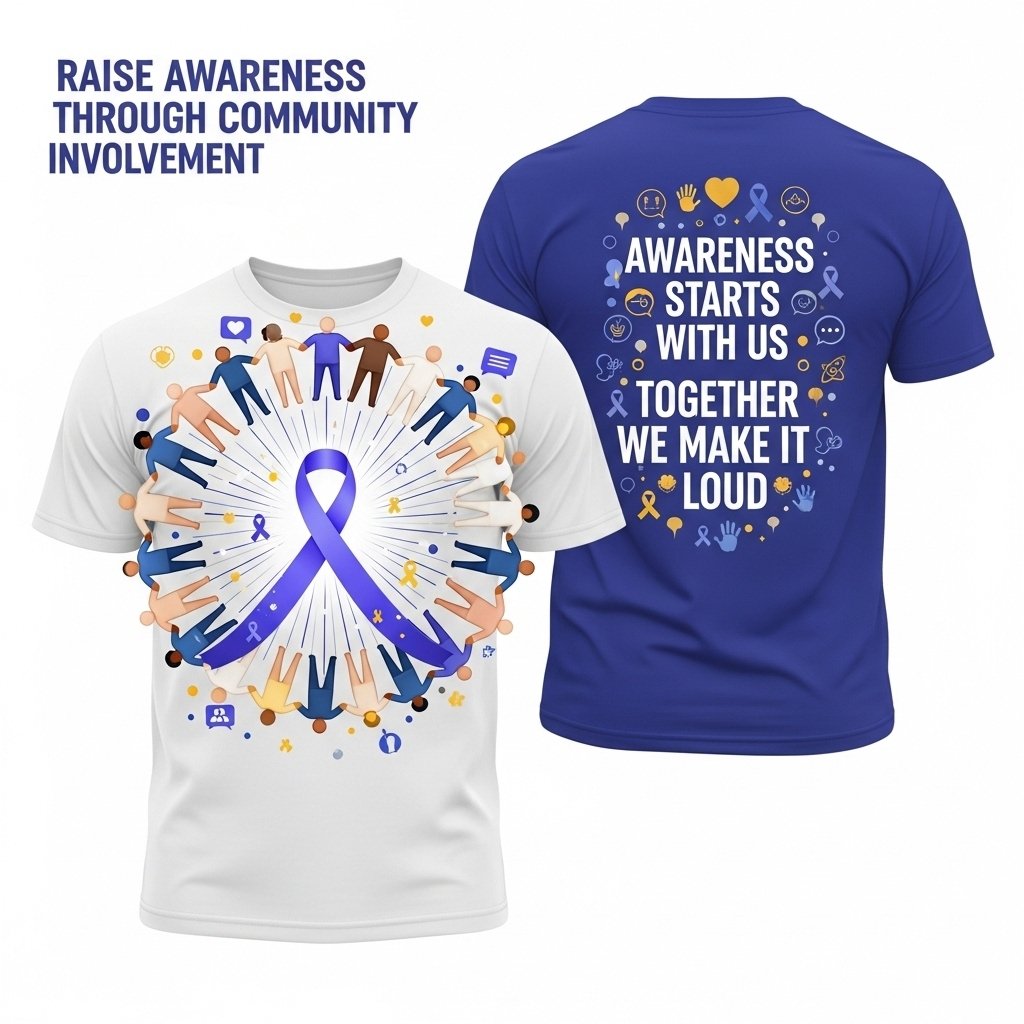
Along with awareness, these groups also provide hands-on help during Cancer Days.
Practical Help and Resource Sharing on Cancer Days
When you’re struggling with cancer, slight gestures can mean everything. Support groups often step in with practical help that lifts the weight off your shoulders when you need it most.
Common ways communities help include:
- Giving rides to appointments
- Bringing meals and helping around the house
- Sharing resources for financial help and counseling
- Offering tips on wellness and alternative therapies
It’s not just about the practical support, although that’s crucial—but about feeling cared for in the smallest, most human ways. A warm meal when you’re too tired to cook or a friendly voice offering to run errands can change a day that feels unbearable into one that feels manageable.
These acts of kindness remind you that you’re surrounded by people who care deeply. This practical support often blossoms into meaningful friendships.
Strengthening Social Bonds and Creating Lasting Friendships
Going through cancer changes your life, but it can also bring new, powerful relationships. Many people find that support groups become like family, filled with people who understand every part of the journey.
Being part of this community means:
- Having friends who truly get your ups and downs
- Feeling less lonely even on the darkest days
- Sharing celebrations and comforting during setbacks
- Building a support system that lasts beyond treatment
Cancer can feel isolating, but these relationships shatter that isolation. The laughter shared during meetings, the tears shed together, the simple check-in texts—these connections become a lifeline.
Knowing you have people to lean on makes cancer days feel less overwhelming. This network grows stronger when families and caregivers join in.
Involving Families and Caregivers in Support Communities
Cancer touches everyone close to the patient. Caregivers face their own challenges, and support groups recognize that by welcoming families in.
These groups help caregivers by:
- Offering emotional support and counseling
- Providing education about care and treatment
- Connecting them with others who understand their struggles
- Giving tools to prevent burnout and isolation
When caregivers feel supported, they’re better able to care for their loved ones. Their emotional health matters just as much as the patient’s, and a powerful community supports both.
Technology also plays a big role in expanding this support.
Expanding Reach Through Online Support and Technology
Online communities have made support more accessible than ever. When cancer days hit hard, virtual groups provide connection anytime, anywhere.
Online support offers:
- A place to connect beyond geographical limits
- 24/7 access to advice and encouragement
- Opportunities to join Cancer fundraising events worldwide
- A platform for diverse voices and stories
Especially when travel or health challenges keep people homebound, online groups keep the conversation and support flowing. They offer comfort in real time and connect individuals to a much larger network.
These digital communities bring people together from around the globe, creating a stronger, more connected cancer support network. This growth feeds into continued awareness and advocacy.
Continuing the Mission: Raising Awareness and Advocacy
Awareness remains vital for progress in the fight against cancer. Support groups take the lead by organizing and participating in campaigns, including International Cancer Day.
Their work helps:
- Educate about prevention and early detection
- Raise funds for research and care
- Unite people in a shared cause
- Keep hope alive through ongoing community action
When you get involved, your voice adds to the chorus calling for change, making every Cancer Day part of a bigger story. You become more than a patient; you become an advocate, a beacon of hope.
Cancer days are undeniably tough, but having a supportive community changes the game. Support groups offer a place to be heard, practical help when you need it most, and friends who will stand with you every step.
No matter where you are in your journey, know this: there are people who want to walk beside you, ready to lift you up. The power of community can turn your days of fear into days filled with courage.
Frequently Asked Questions
What are cancer days and why do they feel so overwhelming?
Cancer days refer to the emotionally and physically exhausting moments that patients and their loved ones experience throughout a cancer journey. They feel overwhelming because of the fear, uncertainty, and isolation that often come with a diagnosis. A support group, a caring friend, or even a thoughtful gift from Printify Gifts can remind someone that they never have to face it alone.
How do support groups help during cancer days?
Support groups provide emotional connection, practical assistance, and a sense of belonging. During the hardest cancer days, simply being around people who understand your experience can reduce feelings of loneliness and help build resilience for what lies ahead.
Are online support groups effective for cancer patients?
Yes. Online communities have made support more accessible, allowing people to connect beyond geographical limits. For those whose cancer days make travel difficult, virtual groups offer 24/7 encouragement, advice, and connection to a much wider network.
How can caregivers benefit from cancer support communities?
Caregivers face their own emotional weight during a loved one’s cancer days. Support communities welcome families and caregivers by offering counseling, education, and connection with others in similar situations, helping prevent burnout and isolation.
How can I get involved in cancer awareness beyond support groups?
You can participate in campaigns like World Cancer Day 2026, Cancer Awareness Month, and National Cancer Survivors Day. Joining cancer fundraising events or simply sharing your story publicly helps raise awareness and reminds others facing cancer days that they are not alone.
There are no reviews yet.