Discover the best bingo casinos UK 2026 with our expert guide. Compare top sites, bonuses, mobile apps, and no-deposit offers. Bet365, Mecca, Tombola, and more reviewed. read our guide to the best bingo casinos


Esophageal Cancer Ribbon Color: Everything You Need to Know
Ribbons often speak louder than words. The esophageal cancer ribbon represents not just awareness but unity, support, and hope. It’s a symbol that brings people together; patients, families, survivors, and advocates alike. When you wear this ribbon, you’re sending a message that you stand with those fighting this difficult disease.
Understanding the color and the story behind this ribbon helps you connect more deeply to its purpose. Let’s begin with the most obvious question: what color is the ribbon and why?
In the next section, we’ll explore the color’s meaning and why it matters so much.
What Color Is the Esophageal Cancer Ribbon?
The esophageal cancer ribbon is periwinkle. This soft, calming color blends blue and purple tones, which reflect the balance between peace, strength, and compassion. While pink is widely recognized for breast cancer, periwinkle serves a powerful role in highlighting lesser-known cancers.
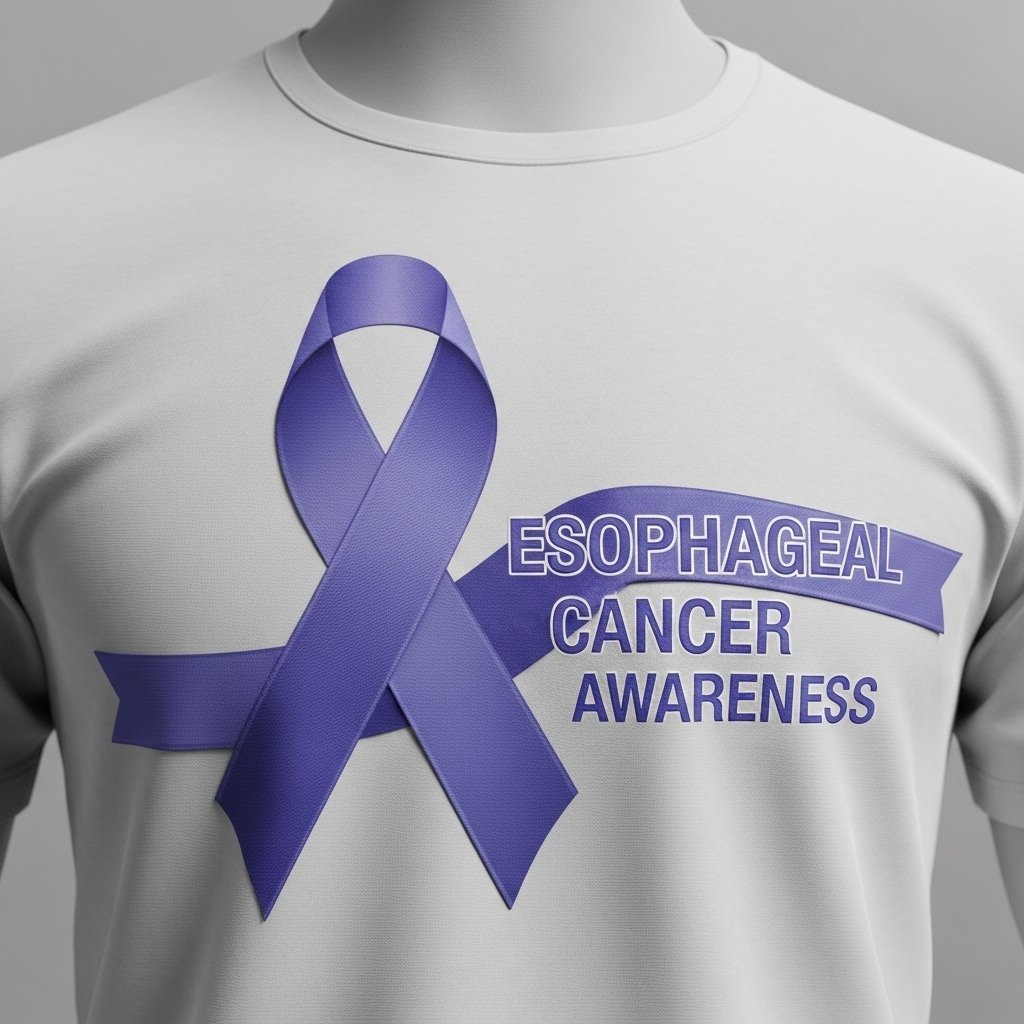
Why periwinkle? Advocates wanted a color that was both distinct and emotionally resonant. The hue offers a visual cue that this disease deserves attention. It also speaks to the quiet strength of those battling esophageal cancer.
Now that we understand the color, let’s look at how this ribbon began to carry so much weight.

The Origins of the Esophageal Cancer Ribbon
The esophageal cancer ribbon didn’t emerge overnight. It grew out of grassroots movements led by survivors, caregivers, and medical professionals. Communities wanted something visible, something meaningful to show their support.
How the Ribbon Is Used Today
You will see the esophageal cancer ribbon worn on lapels, printed on hats, and pinned on backpacks. But it is far more than decoration. The esophageal cancer ribbon sparks meaningful conversations, encourages life-saving screenings, and honors the cherished memories of loved ones lost to this disease.
Here is how the esophageal cancer ribbon is commonly displayed today:
- Community events and awareness walks decorated in periwinkle
- Hospital campaigns and health fairs featuring ribbon merchandise
- Social media profile images and cover photos showing ribbon solidarity
- Personalized esophageal cancer tee shirts worn to show public support
- Ribbon pins and lanyards distributed at fundraising and memorial events
Whether someone is newly diagnosed or proudly celebrating remission, the esophageal cancer ribbon reminds them that they are never alone in this journey. The periwinkle color carries a message of strength, hope, and community that no other symbol can replicate.
If you want to go deeper into the global fight against this disease, explore our dedicated guide on Esophageal Cancer Day: Raising Awareness and Saving Lives, a powerful resource on how the world comes together every year to honor patients, survivors, and advocates through the esophageal cancer ribbon and beyond.
In the next section, we will dive into the meaning behind the periwinkle color and how it aligns with emotional support and patient empowerment.
The Deeper Meaning Behind Periwinkle
Color psychology plays a major role in how we process emotions. Periwinkle, the color of the esophageal cancer ribbon, evokes calm, healing, and sensitivity. It helps open conversations around a cancer that often gets overlooked.
It also reflects the experience of those battling the disease:
- Blue tones symbolize resilience and truth
- Purple tones indicate empathy and dignity
- Combined, periwinkle signals hope
Patients and families often share that simply seeing the ribbon offers comfort. It reminds them that others care.
In the next part, we’ll discuss how survivors wear the ribbon to reclaim strength.
How Survivors Embrace the Esophageal Cancer Ribbon
For survivors, this ribbon represents a badge of courage. Many survivors proudly wear ribbon gear — not just to raise awareness, but to show the world they made it through the storm. It is more than a symbol. It is proof of endurance, resilience, and the will to keep fighting even on the hardest days.
Ways survivors personally embrace the ribbon:
- Customizing esophageal cancer survivor t shirts with dates of diagnosis or recovery milestones
- Embroidering the periwinkle ribbon onto jackets, hats, or bags
- Gifting ribbon items to fellow survivors as a celebration of shared strength
- Displaying the ribbon on everyday accessories as a permanent reminder of their journey
- Sharing ribbon photos on social media to inspire others still in treatment
The act of wearing it also opens powerful conversations. When a stranger notices the periwinkle color and asks about it, that moment becomes an opportunity to educate, connect, and potentially encourage someone to get screened early. Survivors do not just wear it, they carry its message forward every single day. early. Survivors do not just wear the ribbon, they carry its message forward every single day.
Showing Support Through the Esophageal Cancer Ribbon
Family members and caregivers often feel helpless during a loved one’s cancer battle. Wearing the esophageal cancer ribbon gives them a meaningful and visible role. It is a way to silently say, “I am with you every step of the way.”
Popular ribbon-inspired support items caregivers and family members choose:
- Awareness bracelets and periwinkle ribbon pins
- Custom esophageal cancer support shirts for walks and events
- Ribbon decals for cars, windows, and laptops
- Periwinkle candles and wristbands for home and hospital visits
- Personalized tote bags featuring the esophageal cancer ribbon symbol
- Memorial ornaments and keepsakes with ribbon artwork
These visible gestures do far more than show solidarity. They help normalize conversations about esophageal cancer in everyday settings, at workplaces, schools, grocery stores, and social gatherings. When more people see and recognize the esophageal cancer ribbon, public awareness grows organically.
The impact of visible ribbon support includes:
- Encouraging at-risk individuals to seek early screening
- Building stronger patient and caregiver communities
- Reducing the emotional isolation felt by both patients and families
- Driving more informed and empathetic communities overall
Caregivers who wear the esophageal cancer ribbon also report feeling a stronger sense of purpose and connection during what is often an emotionally exhausting journey. The ribbon reminds them that they are not alone in this fight either.
Awareness Campaigns and Their Role
Awareness campaigns use the esophageal cancer ribbon as a cornerstone symbol of education and hope. These campaigns span charity runs, hospital awareness weeks, community health fairs, and large-scale digital fundraisers. Their core aim is to educate the public, empower patients, and reduce the stigma surrounding a diagnosis.
Common periwinkle-themed events built around the esophageal cancer ribbon:
- Free screening clinics for at-risk individuals
- Guest speaker panels featuring survivors and oncologists
- Customized esophageal cancer shirts for event participants
- Social media challenges using the ribbon as a visual anchor
- School and workplace awareness drives featuring ribbon displays
- Community walks and runs decorated in periwinkle ribbon imagery
Digital campaigns have taken the esophageal cancer ribbon to an entirely new level of reach and visibility.
How digital platforms amplify the esophageal cancer ribbon message:
- Hashtag movements that trend during awareness months
- Instagram awareness frames featuring the periwinkle esophageal cancer ribbon
- Facebook fundraiser pages with ribbon-centered visuals
- YouTube documentaries and survivor story series
- Influencer and medical professional collaborations during awareness campaigns
As these campaigns continue to grow in scale and reach, public understanding of esophageal cancer deepens significantly. That awareness translates into earlier diagnoses, reduced late-stage presentations, and significantly better survival outcomes for patients across all demographics.
Fundraising With the Esophageal Cancer Ribbon
Many nonprofit organizations and patient advocacy groups use the esophageal cancer ribbon as the centerpiece of their fundraising strategies. The ribbon’s emotional resonance makes it an incredibly powerful tool for driving donations and community engagement — from neighborhood bake sales to black-tie gala dinners.
Key fundraising approaches built around the esophageal cancer ribbon:
- Selling esophageal cancer t-shirts featuring custom periwinkle ribbon artwork
- Offering tiered donation packages tied to ribbon pins, lanyards, or exclusive gear
- Creating digital memorial and tribute pages with esophageal cancer ribbon imagery
- Launching limited-edition periwinkle ribbon merchandise during awareness months
- Partnering with local businesses to display and sell ribbon products
- Hosting periwinkle-themed galas, auctions, and community events
Where every dollar raised through esophageal cancer ribbon campaigns goes:
- Critical treatment and early detection research
- Patient financial assistance programs
- Caregiver mental health and support resources
- Community education and outreach initiatives
- Hospital awareness programs and free screening drives
Every dollar raised through esophageal cancer ribbon campaigns is an active driver of change. Fundraising efforts also help smaller community organizations gain visibility. When a local group sells ribbon merchandise or hosts a periwinkle-themed event, it puts esophageal cancer on the radar of people who may have never previously heard of the disease. That ripple effect is truly immeasurable.
Next, we will explore how the esophageal cancer ribbon influences fashion and personalization.

Fashion and Personal Expression
The esophageal cancer ribbon also found its way into fashion. Personalized gear allows people to show support while expressing themselves. Shirts, jackets, and accessories become conversation starters.
You’ll often find:
- DIY ribbon patches
- Jewelry with periwinkle charms
- Esophageal cancer awareness t shirts worn during group walks
These wearable items give people a way to carry hope with them daily.
In the next section, we’ll highlight stories that show the ribbon in action.
Real-Life Stories: The Ribbon’s Impact
Seeing this symbol in action often starts with a personal story. One mother wears the periwinkle ribbon every April in honor of her late son. A young man tattoos it on his arm after surviving stage III. A classroom of students folds periwinkle ribbons to send to a teacher battling the disease, echoing the same spirit of solidarity seen every world cancer day. These moments are small in size but enormous in meaning.
These real-life stories powerfully show:
- How it empowers people to speak out about their diagnosis and journey
- How it creates deep and lasting bonds between complete strangers united by shared experience
- How it sparks difficult yet critically important conversations about symptoms, screening, and early detection
- How it gives grieving families a tangible way to honor and keep the memory of their loved ones alive
- How it inspires newly diagnosed patients to keep fighting when the road feels impossible
Each story adds an irreplaceable layer of depth to what the esophageal cancer ribbon means to so many people across the world. It is never just fabric or ink, it is a living, breathing testament to courage and community.
If you want to learn more about how the world comes together to honor these stories on a global scale, visit our Cancer Day awareness page, a dedicated resource covering key cancer awareness dates, events, and how this symbol plays a central role in annual campaigns that save lives.
Next, we will explore how businesses are adopting this powerful symbol in corporate giving and workplace awareness programs.
Businesses That Embrace the Ribbon
Many businesses now integrate the cancer ribbon into their social responsibility efforts. From small shops to large corporations, these companies help amplify awareness.
They do this through:
- Ribbon-themed product lines
- Employee events featuring esophageal cancer awareness shirt days
- Matching donation programs during awareness month
Corporate involvement helps normalize the ribbon’s presence and expands its reach.
Now, let’s touch on the health education tied to the ribbon.
Promoting Early Detection Through the Ribbon
The cancer ribbon doesn’t just raise awareness, it encourages action. Health campaigns use it to highlight early symptoms and promote checkups.
Educational materials often cover:
- Chronic acid reflux and its link to esophageal cancer
- Risk factors like tobacco and alcohol use
- The importance of screening for those over 50
When people associate the ribbon with health information, they’re more likely to get screened.
Next, we’ll explore digital engagement and how it boosts the ribbon’s impact.
Going Digital With the Ribbon
Social media made the cancer ribbon more accessible than ever. Platforms like Instagram, TikTok, and Facebook allow users to share stories, post images, and fundraise globally.
Popular digital strategies include:
- Periwinkle profile picture frames
- Ribbon GIFs during April campaigns
- Selling esophageal cancer shirt designs via online shops
This digital visibility keeps the conversation going well beyond awareness month.
Now, let’s talk about why the ribbon still matters in the long run.
Why the Ribbon Still Matters
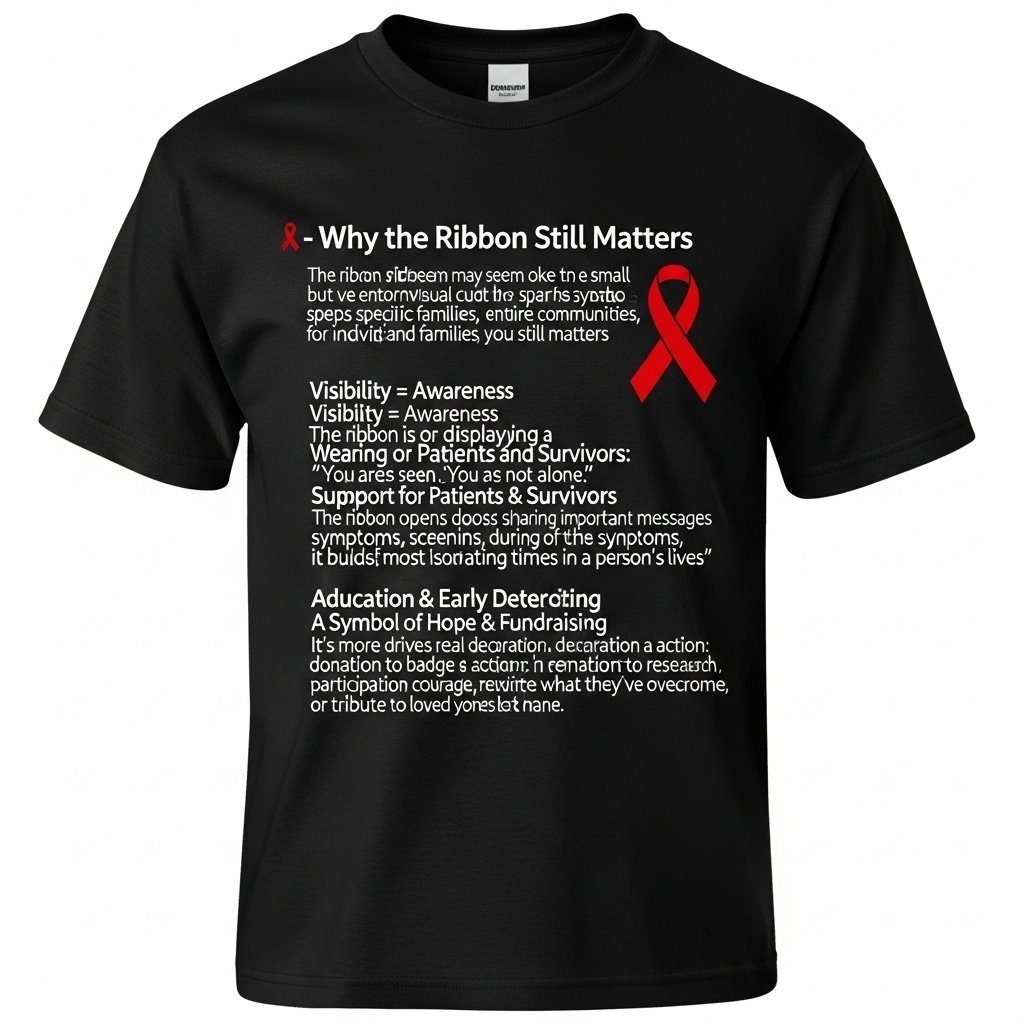
Some might wonder if a ribbon can really make a difference. The truth is, the esophageal cancer ribbon remains a vital symbol. It brings visibility to an underrepresented cancer. It gives people strength. And it encourages life-saving conversations.
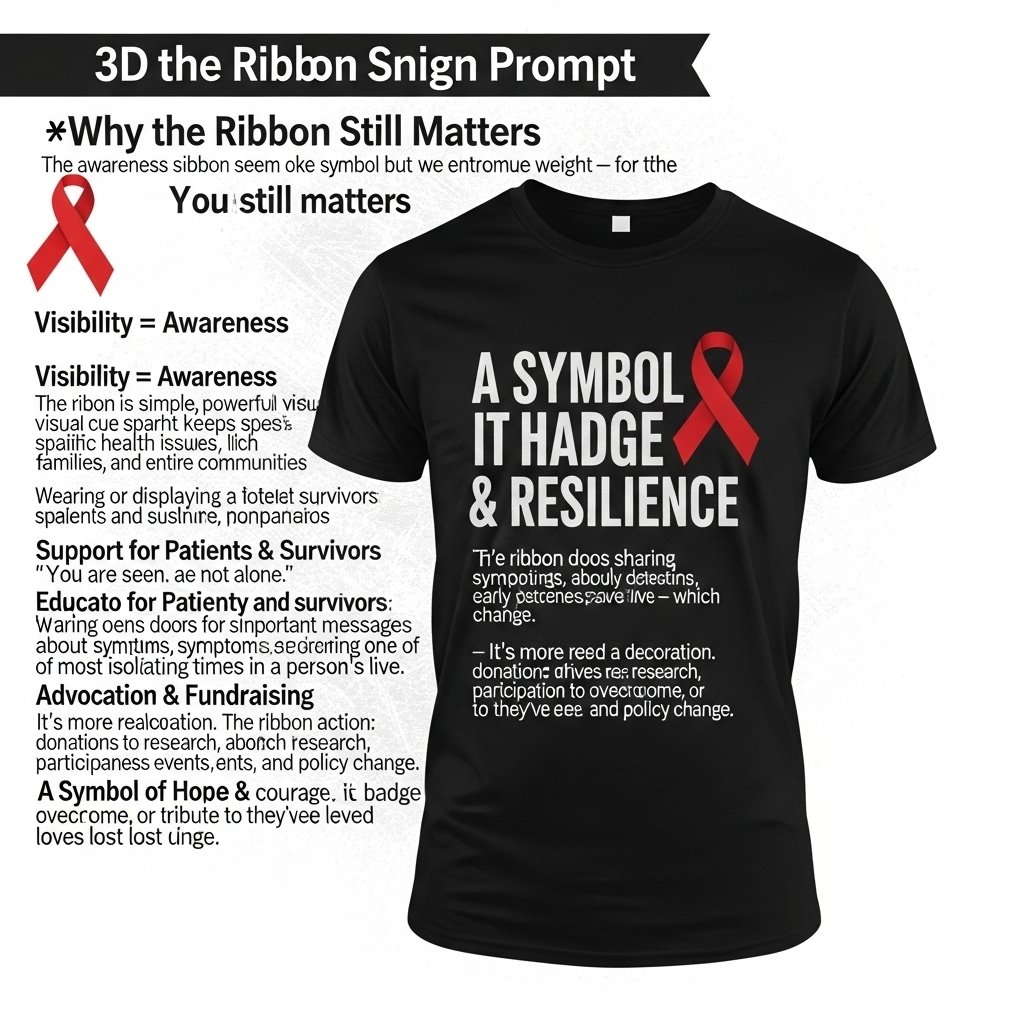
As treatments improve and survivor stories multiply, the ribbon stands as a beacon of hope and progress.

How the Ribbon Inspires Community and Connection
Building a Sense of Belonging
The esophageal cancer ribbon does more than raise awareness. It also creates community. Whether someone is newly diagnosed, in remission, or grieving a loved one, the ribbon acts as a visual handshake acknowledging pain, courage, and solidarity.
Finding Support Through Shared Symbols
Support groups often form around the ribbon. Online forums and local meetups give people a space to talk, share, and cope together. Events and walks provide opportunities to wear esophageal cancer awareness t shirts and build new friendships, one conversation at a time.
Spreading Awareness Through Action
Advocates use the ribbon as a tool for education and change. From classroom campaigns to community art projects, periwinkle unites voices and amplifies efforts. It brings light to a cancer type that too often remains hidden.
Healthcare Workers Join the Mission
Doctors and nurses wear periwinkle ribbons or pins during awareness month. This gesture helps patients feel acknowledged and supported. When medical staff wear the ribbon, it sends a clear message: “You matter. We stand with you.”
Youth and Students Step Up
From ribbon fundraisers in high schools to social media drives in colleges, students are using the esophageal cancer ribbon to spark conversation. They sport custom esophageal cancer shirts with encouraging messages and facts, making education stylish and accessible.
The Ribbon as Art and Memory
Families create ribbon murals, gardens, and memorials in honor of loved ones. These displays become sacred spaces, helping survivors heal and communities remember. Each ribbon placed is a testament to strength and unity.
Growing a Movement One Ribbon at a Time
The ribbon’s strength lies in its simplicity. It transcends age, language, and geography. Whether it’s pinned to a jacket or printed on an esophageal cancer shirt, it continues to connect hearts and push awareness forward.
Frequently Asked Questions (FAQ)
What does the esophageal cancer ribbon color represent?
The cancer ribbon is periwinkle, symbolizing compassion, healing, and awareness. The blend of blue and purple tones reflects hope, strength, and support for those affected by the disease.
When is Esophageal Cancer Awareness Month?
Esophageal Cancer Awareness Month is observed in April. During this time, the ribbon is widely displayed in campaigns, events, and social media to promote education and early detection.
Can I customize my own awareness apparel?
Absolutely. Many people design their own esophageal cancer shirt to reflect personal stories, support loved ones, or fundraise for research and support organizations.
Who started the esophageal cancer ribbon movement?
The ribbon gained recognition through grassroots efforts by survivors, families, and advocates. Over time, it was embraced by national cancer organizations and used widely in awareness campaigns.
Where can I get involved in an awareness campaign?
Local hospitals, nonprofits, and online advocacy groups often host events during April. Look for opportunities that include education, fundraising, and wearing esophageal cancer awareness shirt items.
Is the ribbon used outside of the US?
Yes. While the periwinkle esophageal cancer ribbon originated in the US, it is now recognized in many parts of the world as a symbol of support for this type of cancer.
How does the ribbon help raise funds?
The ribbon is featured in product sales like esophageal cancer t shirts, pins, and accessories. Proceeds often go toward research, patient care, and awareness campaigns.
Let’s wrap it all up with a forward-looking conclusion.
The esophageal cancer ribbon is more than periwinkle thread. It’s a story woven with resilience, community, and compassion. From fashion to fundraising, education to empowerment, the ribbon plays an ongoing role in how we fight this disease.
If you’ve ever known someone affected by esophageal cancer, wearing the ribbon is a simple yet powerful way to show your support. Whether it’s through a conversation-starting pin, a thoughtful esophageal cancer awareness t shirts, or sharing information online, every action counts.
Keep the conversation alive. Wear the ribbon. Talk about it. Make it matter.
Show your support by choosing meaningful apparel or hosting your own awareness event. Explore esophageal cancer shirts that help fund research, or browse Printify Gifts for matching awareness gear to wear at local walks with friends. Small actions create ripples and your ripple could change a life.
There are no reviews yet.