Discover the best bingo casinos UK 2026 with our expert guide. Compare top sites, bonuses, mobile apps, and no-deposit offers. Bet365, Mecca, Tombola, and more reviewed. read our guide to the best bingo casinos


Adenocarcinoma Lung Cancer Day Highlights Critical Symptoms
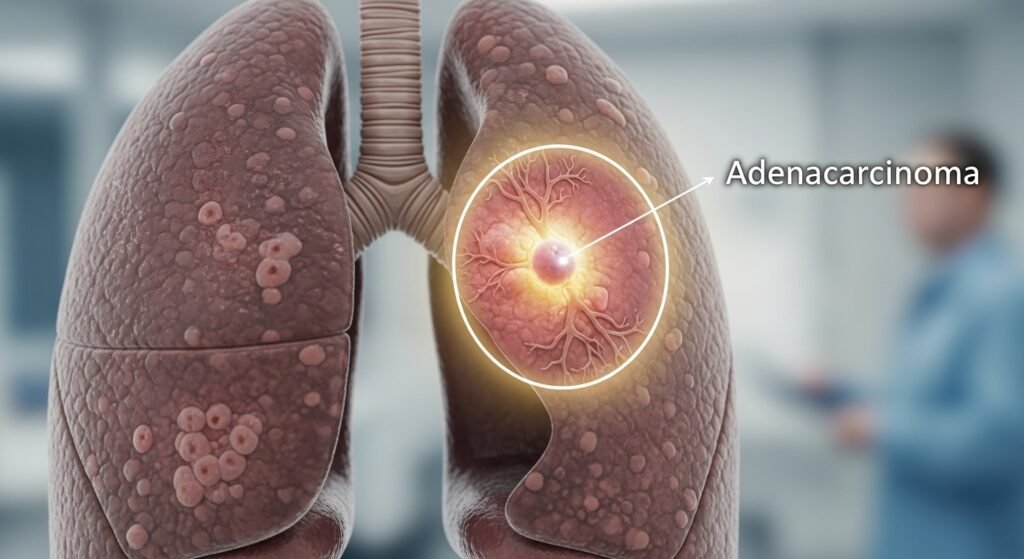
Every November, healthcare advocates worldwide observe adenocarcinoma lung cancer day to raise awareness about the most common form of lung cancer. This critical observance serves as a powerful reminder that early detection saves lives. Adenocarcinoma accounts for approximately 40% of all lung cancer cases, making it essential for everyone to understand its warning signs and symptoms.
The significance of this day extends beyond medical communities, reaching families, survivors, and supporters who demonstrate their commitment through various awareness initiatives. Understanding the subtle yet crucial symptoms can mean the difference between early intervention and advanced-stage diagnosis. This comprehensive guide explores the critical warning signs that everyone should recognize.
Understanding Adenocarcinoma: The Silent Threat
What Is Adenocarcinoma?
Adenocarcinoma develops in the mucus-producing cells lining the airways, often beginning in the outer regions of the lungs. Unlike other lung cancer types, adenocarcinoma frequently affects non-smokers and younger patients, making awareness crucial for all demographics. The disease progresses silently in its early stages, which explains why the day of adenocarcinoma lung cancer emphasizes symptom recognition.
Classification and Growth Patterns
Medical professionals classify adenocarcinoma as a non-small cell lung cancer, representing the most prevalent subtype. The cancer cells grow and multiply slowly compared to other forms, creating both challenges and opportunities for treatment. Early-stage adenocarcinoma often remains asymptomatic, highlighting the importance of regular screenings and awareness campaigns.
The Challenge of Early Detection
Many patients discover their diagnosis during routine medical examinations or imaging studies performed for unrelated conditions. The insidious nature of adenocarcinoma underscores why adenocarcinoma lung cancer day promotes education about subtle warning signs. Understanding these early indicators empowers individuals to seek medical attention promptly.
The next section explores the primary symptoms that medical experts consider most significant for early detection and intervention strategies.
Primary Warning Signs: Recognizing Early Symptoms
Persistent Cough Changes
Persistent cough represents the most common early symptom of adenocarcinoma, particularly when it changes in character or intensity. Patients often dismiss chronic coughing as allergies or respiratory infections, delaying crucial medical evaluation. During adenocarcinoma lung cancer day, healthcare providers emphasize that any cough lasting longer than three weeks requires professional assessment.
Breathing Difficulties and Chest Pain
Shortness of breath during routine activities signals potential lung function impairment that warrants immediate attention. This symptom often develops gradually, causing patients to attribute it to aging or decreased fitness levels. The progressive nature of respiratory difficulty makes it challenging to recognize without careful self-monitoring and awareness.
Serious Warning Signs
Chest pain, particularly when breathing deeply or coughing, indicates possible tumor growth affecting surrounding tissues. The pain may feel sharp, dull, or constant, depending on the tumor’s location and size. Adenocarcinoma lung cancer day campaigns stress that persistent chest discomfort should never be ignored or self-treated without medical consultation.
Blood in sputum, even in small amounts, represents a serious warning sign requiring immediate medical evaluation and diagnostic testing procedures.
Advanced Symptoms: When Cancer Progresses

Unexplained Weight Loss and Fatigue
Unexplained weight loss exceeding ten pounds within six months often indicates advanced adenocarcinoma affecting metabolic processes. Cancer cells consume significant energy resources, leading to rapid weight reduction despite normal eating habits. Adenocarcinoma lung cancer day awareness initiatives highlight weight loss as a critical symptom requiring urgent medical investigation.
Systemic Effects on Daily Life
Fatigue that interferes with daily activities and doesn’t improve with rest suggests systemic effects of cancer progression. This overwhelming exhaustion differs from normal tiredness, affecting patients’ ability to perform routine tasks. The combination of fatigue and other symptoms creates a concerning pattern that medical professionals recognize during diagnostic evaluations.
Voice Changes and Metastatic Signs
Hoarseness lasting more than two weeks may indicate tumor involvement with nerves controlling vocal cord function. Voice changes often develop gradually, making them easy to overlook until they become pronounced. Adenocarcinoma lung cancer day educational materials emphasize that persistent voice changes warrant laryngeal examination and chest imaging.
Bone pain, particularly in the back, hips, or ribs, may signal metastatic spread requiring comprehensive staging and treatment planning modifications.
Risk Factors: Who Should Be Most Vigilant
Smoking and Environmental Exposure
Smoking remains the primary risk factor for adenocarcinoma, though this cancer type increasingly affects never-smokers, particularly women. Environmental tobacco smoke exposure creates similar risks, making household members of smokers vulnerable to development. Adenocarcinoma lung cancer day campaigns address both active smoking and secondhand smoke dangers through comprehensive educational programs.
Environmental and Occupational Hazards
Radon exposure in homes and workplaces represents the second leading cause of lung cancer after smoking. This naturally occurring radioactive gas accumulates in poorly ventilated spaces, creating long-term health hazards. Testing homes for radon levels provides crucial information for risk assessment and mitigation strategies.
Workplace and Genetic Factors
Occupational exposures to asbestos, diesel exhaust, and certain chemicals increase adenocarcinoma risk significantly among workers. Industrial settings often contain multiple carcinogens that compound individual risk factors over time. Adenocarcinoma lung cancer day initiatives promote workplace safety measures and regular health screenings for high-risk occupations.
Family history of lung cancer doubles the risk of developing adenocarcinoma, emphasizing the importance of genetic counseling and enhanced surveillance protocols.
Diagnostic Procedures: Confirming Suspicions
Initial Screening Methods
Chest X-rays serve as initial screening tools, though they may miss small tumors or those obscured by other structures. Advanced imaging techniques like CT scans provide detailed visualization of lung tissue and suspicious nodules. The day of adenocarcinoma lung cancer promotes awareness that normal chest X-rays don’t rule out early-stage cancer completely.
Laboratory and Tissue Analysis
Sputum cytology examines coughed-up mucus for cancer cells, offering a non-invasive diagnostic approach for certain patients. This technique proves most effective when patients produce adequate sputum samples containing representative cells. Laboratory analysis requires specialized expertise to distinguish malignant cells from inflammatory or infectious changes.
Advanced Diagnostic Techniques
Bronchoscopy allows direct visualization of airways and tissue sampling from suspicious areas using flexible instruments. This procedure enables precise biopsy collection and staging information crucial for treatment planning. Adenocarcinoma lung cancer day educational efforts explain these procedures to reduce patient anxiety and improve compliance with recommended diagnostics.
Molecular testing of tissue samples identifies specific genetic mutations that guide targeted therapy selection and prognosis determination for individual patients.
Treatment Options: Modern Approaches to Care
Adenocarcinoma Lung Cancer Day serves as a powerful reminder of how far medical science has come in treating this complex disease. From surgery to cutting-edge immunotherapy, today’s treatment landscape offers more hope than ever before.
Surgical Interventions
Surgical resection offers the best cure rates for early-stage adenocarcinoma when patients have adequate lung function. Minimally invasive techniques reduce recovery time and preserve more healthy lung tissue than traditional approaches. Adenocarcinoma Lung Cancer Day highlights surgical advances that improve outcomes while maintaining quality of life for patients, encouraging more families to explore surgical consultations early in the diagnosis process.
Targeted and Personalized Therapies
Targeted therapy drugs attack specific genetic mutations found in adenocarcinoma cells, providing personalized treatment approaches. These medications often produce fewer side effects than traditional chemotherapy while delivering superior results. The development of targeted therapies represents a major breakthrough celebrated during Adenocarcinoma Lung Cancer Day awareness campaigns — reminding patients and caregivers that personalized medicine is now a reality, not a distant promise.
Immunotherapy and Radiation
Immunotherapy harnesses the body’s immune system to recognize and destroy cancer cells more effectively than conventional treatments. Recent advances in immunological approaches have revolutionized adenocarcinoma treatment for many patients. Adenocarcinoma Lung Cancer Day promotes research funding that continues advancing these promising therapeutic options, bringing the medical community closer to more effective and lasting solutions every year.
Radiation therapy provides precise tumor control and symptom relief, particularly when combined with other treatment modalities for comprehensive care plans. On Adenocarcinoma Lung Cancer Day, oncologists and researchers unite to share the latest radiation advancements, ensuring patients receive the most up-to-date and effective treatment protocols available.
Combination Therapies: The Future of Care
One of the most significant developments recognized on Adenocarcinoma Lung Cancer Day is the growing use of combination therapies — where surgery, targeted drugs, immunotherapy, and radiation work together for maximum effectiveness. This integrated approach has shown remarkable results in extending survival rates and improving overall patient wellbeing, offering renewed hope to those facing an adenocarcinoma diagnosis.
Support Systems: Building Community Awareness
Community Mobilization Efforts
Lung cancer awareness campaigns rely on community involvement to spread vital information about symptoms and risk factors. Local organizations coordinate screening events, educational seminars, and support group meetings throughout the year. Adenocarcinoma lung cancer day serves as a focal point for mobilizing community resources and volunteer participation in awareness activities.
Awareness Merchandise and Fundraising
Lung cancer shirts and other awareness merchandise help supporters demonstrate their commitment while funding important research initiatives. These visible symbols of support create conversation opportunities and encourage others to learn about prevention and early detection. The proceeds from awareness merchandise often support patient assistance programs and research funding.
Emotional Support Networks
Support groups provide emotional assistance and practical guidance for patients and families navigating adenocarcinoma diagnosis and treatment. Peer connections offer unique understanding and encouragement that complements professional medical care. The lung cancer day promotes the formation of new support networks and strengthens existing community connections.
Healthcare partnerships with community organizations expand access to screening programs and educational resources for underserved populations requiring additional outreach efforts.
Prevention Strategies: Reducing Your Risk
Smoking Cessation and Lifestyle Changes
Smoking cessation represents the most effective prevention strategy, reducing adenocarcinoma risk significantly within years of quitting. Professional cessation programs provide medications, counseling, and support systems that improve success rates dramatically. Adenocarcinoma lung cancer day promotes smoking cessation resources and celebrates individuals who have successfully quit tobacco use.
Exercise and Nutrition Benefits
Regular exercise and healthy nutrition support lung function and overall immune system strength against cancer development. Physical activity improves respiratory capacity and helps maintain optimal body weight for cancer prevention. Dietary choices rich in antioxidants and anti-inflammatory compounds may provide additional protective benefits.
Environmental Awareness and Medical Monitoring
Environmental awareness includes testing homes for radon, avoiding secondhand smoke, and minimizing exposure to known carcinogens. Simple lifestyle modifications can significantly reduce lifetime cancer risk when implemented consistently. Lung cancer day educational materials provide practical guidance for creating healthier living and working environments.
Regular medical checkups enable early detection through appropriate screening recommendations based on individual risk factors and family history patterns.
Raising Awareness Through Fashion and Advocacy
Visual Statements and Community Building
Lung cancer awareness shirts create powerful visual statements that spark important conversations about prevention and early detection. These garments serve dual purposes by raising awareness and generating funds for research and patient support programs. Wearing awareness apparel demonstrates solidarity with patients and families affected by adenocarcinoma.
Inspirational Messaging and Design
Lung cancer t shirts featuring inspirational messages and survivor stories provide hope and encouragement to those facing diagnosis. The personal connections created through shared experiences strengthen community bonds and support networks. Adenocarcinoma lung cancer day celebrations often feature fashion shows and merchandise displays highlighting creative awareness designs.
Creative Design Elements and Inclusivity
Lung cancer shirt designs incorporate medical symbols, ribbon colors, and motivational slogans that educate while inspiring action. Creative designs appeal to diverse audiences and age groups, expanding the reach of awareness messages. Professional designers often donate their talents to create compelling visual campaigns for awareness events.
Lung cancer t shirt collections include options for patients, survivors, caregivers, and supporters, ensuring everyone can find meaningful ways to participate in awareness activities and community events.
Special Merchandise for Maximum Impact
Quality and Comfort Considerations
Lung cancer tee shirts made from comfortable, high-quality materials ensure supporters can wear their advocacy proudly in various settings. Durable construction means these awareness tools continue spreading messages long after initial purchase and distribution. The comfort factor encourages regular wear, maximizing exposure and conversation opportunities.
Strategic Marketing and Seasonal Collections
Lung cancer shirt collections often feature seasonal designs and limited editions that create urgency and exclusivity for collectors. Special releases coinciding with adenocarcinoma lung cancer day generate excitement and increased participation in awareness activities. These strategic marketing approaches help maximize fundraising potential while spreading vital health information.
Innovation and Community Spirit
Lung cancer shirt ideas evolve constantly as designers incorporate new medical discoveries, survivor testimonials, and community feedback into fresh creative concepts. Innovation in awareness merchandise keeps campaigns current and engaging for both new and returning supporters.
Fight lung cancer shirts embody the warrior spirit necessary for battling this disease while providing tangible ways for communities to show their unified support and determination.
Frequently Asked Questions
What makes adenocarcinoma different from other lung cancers?
Adenocarcinoma develops in mucus-producing cells and often affects non-smokers, particularly women. It grows slower than other types but can spread to distant organs. This cancer type responds well to targeted therapies based on genetic mutations.
How early can adenocarcinoma symptoms appear?
Early-stage adenocarcinoma often produces no symptoms, making regular screening crucial for high-risk individuals. When symptoms develop, persistent cough, shortness of breath, and chest pain are most common. Adenocarcinoma lung cancer day emphasizes that symptoms appearing gradually over weeks or months require medical evaluation.
Who should consider lung cancer screening?
Current or former heavy smokers aged 50-80 years should discuss screening with healthcare providers. Family history, occupational exposures, and other risk factors may warrant earlier or more frequent screening. Individual risk assessment guides personalized screening recommendations.
What role does genetics play in adenocarcinoma?
Genetic mutations like EGFR, ALK, and ROS1 drive many adenocarcinomas and determine targeted therapy options. Family history increases risk, suggesting hereditary factors. Genetic testing of tumors guides treatment selection and prognosis determination.
How effective are current treatments?
Treatment effectiveness depends on stage at diagnosis, genetic mutations, and patient factors. Early-stage adenocarcinoma has excellent cure rates with surgery, while advanced stages benefit from targeted therapies and immunotherapy. Adenocarcinoma lung cancer day highlights treatment advances improving survival rates significantly.
The observance of adenocarcinoma lung cancer day serves as a crucial reminder that awareness and early detection save lives. Understanding the warning signs, risk factors, and available treatments empowers individuals to take proactive steps toward better health outcomes. The subtle nature of early adenocarcinoma symptoms makes education and vigilance essential for all community members.
Visit Printify Gifts today to explore our complete collection of high-quality awareness shirts, accessories, and educational materials. Your support helps fund cutting-edge research while providing hope and encouragement to patients and families facing adenocarcinoma diagnosis.
Read more here to learn about Breast Cancer Awareness Days: A Guide to Events, Symbols & Messaging
There are no reviews yet.