Discover the best bingo casinos UK 2026 with our expert guide. Compare top sites, bonuses, mobile apps, and no-deposit offers. Bet365, Mecca, Tombola, and more reviewed. read our guide to the best bingo casinos


Endometrial Cancer Symptoms: What Every Woman Needs to Know
Understanding endometrial cancer symptoms is not just about awareness it’s about early detection, timely action, and saving lives. This complete guide walks you through everything you need to know, from subtle early signs to more noticeable late-stage indicators. If you or someone you care about has ever questioned irregular symptoms, this guide offers clarity, support, and direction.
Understanding Endometrial Cancer
Endometrial cancer begins in the lining of the uterus, known as the endometrium. It often affects women who are postmenopausal, but younger women aren’t exempt. Detecting the condition early can significantly improve outcomes.
This cancer typically develops when the cells in the endometrial lining start to grow uncontrollably. These abnormal cells can form tumors and potentially spread to other parts of the body if left untreated. Understanding the basics sets the tone for recognizing the signs your body might send.

Why Symptom Awareness Saves Lives
Many women dismiss early endometrial cancer symptoms as routine hormonal changes. Unfortunately, this delay can lead to a diagnosis at a more advanced stage. Early detection leads to a broader range of treatment options and better survival rates.
Being symptom-aware means you’ll notice subtle changes that might otherwise be ignored. Catching warning signs early gives you the best chance at successful treatment and long-term recovery. When you understand your baseline, you’ll be quicker to notice changes worth discussing with your doctor.
Early Symptoms of Endometrial Cancer
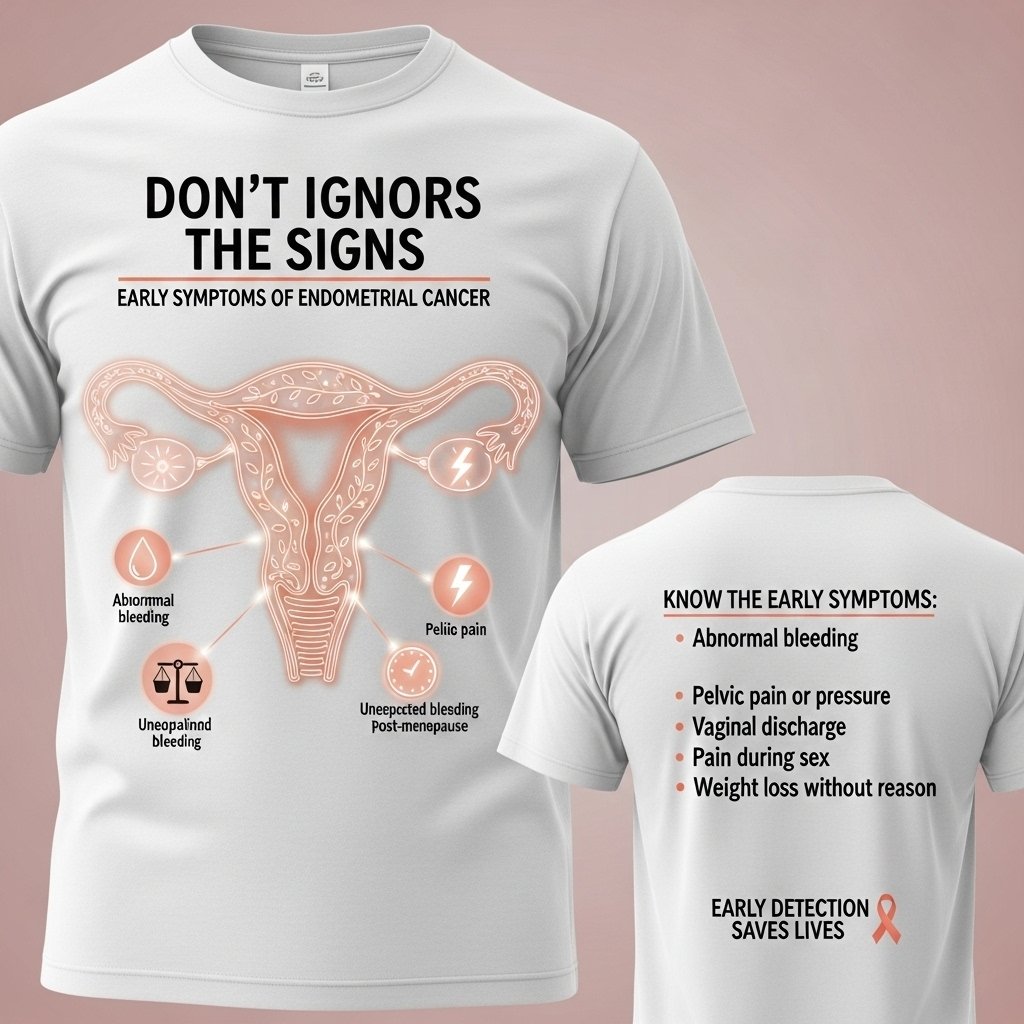
The earliest signs often masquerade as common issues, making them easy to overlook. Key early endometrial cancer symptoms include:
- Unusual vaginal bleeding after menopause: Postmenopausal bleeding is not normal and should always be evaluated. Even light spotting can indicate an underlying issue, including cancer.
- Bleeding between periods: Irregular cycles or spotting in between menstrual periods can signal a disruption in the endometrial lining.
- Watery or bloody discharge: A discharge that is pink, clear, or tinged with blood might seem harmless but could be a sign of cellular changes in the uterus.
- Mild pelvic pain or cramping: Persistent or intermittent pain that doesn’t align with your normal menstrual cycle could point to something abnormal happening in the uterus.

Even if these symptoms seem manageable, they may indicate something more serious. Up next, we look deeper into how symptoms progress as the disease advances.
Advanced Stage Symptoms to Know
As the disease develops, endometrial cancer symptoms may become more intense or involve other parts of the body. Watch for:
- Pelvic or lower abdominal pain: Persistent or sharp pain that lingers in the pelvic region might signal that the cancer has grown or spread.
- Difficulty urinating or painful urination: Tumors pressing against the bladder can cause discomfort or urinary changes, which are sometimes misdiagnosed as UTIs.
- Pain during intercourse: Discomfort or pain during sexual activity could indicate advanced endometrial or uterine involvement.
- Unexplained weight loss: Losing weight without trying, especially when accompanied by fatigue or bloating, is a red flag.
- Feeling full quickly when eating: This symptom could suggest abdominal involvement or pressure from an enlarging uterus.

These symptoms often reflect a more progressed condition, underscoring the importance of addressing signs early. We’ll now explore which symptoms are often confused with other conditions.
Common Misdiagnoses and Overlaps
Because endometrial cancer symptoms overlap with other health conditions, many women receive incorrect diagnoses at first. It’s easy to confuse the symptoms with:
- Perimenopause: The hormonal fluctuations during perimenopause can cause irregular periods, bloating, or mood swings that mimic cancer symptoms.
- Fibroids: Noncancerous growths in the uterus often lead to heavy bleeding or pressure, much like endometrial cancer.
- Endometriosis: This condition causes pelvic pain and irregular bleeding, which can obscure cancer symptoms.
- Urinary tract infections (UTIs): Symptoms like pelvic pressure and painful urination can be misattributed to recurring infections.
Keeping track of your cycle and any new sensations helps your healthcare provider make accurate assessments. As you become more symptom-aware, the next section covers age-specific patterns.
Symptoms by Age and Risk Group
Not every woman will experience endometrial cancer symptoms the same way. Here’s how age and other factors affect symptom visibility:
- Under 40: Women under 40 may not suspect cancer if they experience irregular cycles. These can be easily attributed to stress, diet changes, or hormonal issues, but persistent irregularities should be examined.
- 40–55: Heavier-than-usual bleeding or clotting during periods might be brushed off as early menopause but can be a critical sign.
- 55 and up: Any postmenopausal bleeding, even once, is abnormal. It’s the most significant warning sign and should prompt immediate evaluation.
Lifestyle and genetic risks like obesity or family history also impact symptom presentation. Let’s now look at what emotional signs may accompany physical symptoms.
Emotional and Mental Health Indicators
Anxiety, mood swings, or fatigue might not seem connected to endometrial cancer symptoms, but chronic discomfort or unexplained symptoms often take an emotional toll. Many women report:
- Feeling unusually tired: Fatigue that doesn’t improve with rest may reflect the body’s ongoing effort to combat disease.
- Having persistent anxiety about health: A gut feeling that something is wrong shouldn’t be ignored. Anxiety often emerges when symptoms feel confusing or unresolved.
- Losing interest in daily activities: When persistent pain or worry interferes with normal routines, it might signal that something more serious is happening.
While not diagnostic on their own, these emotional cues add to the bigger picture. Now, let’s talk about how doctors confirm a diagnosis.
When Symptoms Lead to Diagnosis
If you present any endometrial cancer symptoms, your doctor will likely perform several evaluations. Diagnostic steps include:
- Pelvic exam: The doctor checks for abnormalities in the shape or size of the uterus and surrounding organs.
- Transvaginal ultrasound: This imaging technique allows the doctor to examine the endometrium’s thickness and any visible growths.
- Endometrial biopsy: A small tissue sample is taken from the uterine lining to be examined for cancer cells.
- Hysteroscopy: A small camera is inserted into the uterus to provide a direct view of the endometrial surface and assist in guided biopsy.
Timely action often depends on your confidence in reporting symptoms. Trust yourself if something feels off. Now that testing has been addressed, let’s turn to lifestyle triggers you may not expect.
Surprising Triggers and Risk Factors
Several lifestyle elements can contribute to endometrial cancer symptoms appearing earlier or more severely:
- Obesity (increases estrogen levels): Fat tissue produces excess estrogen, which can overstimulate the uterine lining and increase cancer risk.
- Diabetes: Women with diabetes are at higher risk due to hormone imbalances and inflammatory factors.
- Early menstruation or late menopause: More menstrual cycles over a lifetime can increase exposure to estrogen.
- Never being pregnant: Pregnancy reduces estrogen exposure. Women who’ve never been pregnant may have prolonged estrogen stimulation.
- Tamoxifen use for breast cancer: This medication can increase the risk of developing endometrial cancer as a side effect.
Adjusting what you can control and being aware of what you can’t help manage long-term risk. Next, we touch on symptom tracking tools that aid communication with healthcare providers.
Keeping a Symptom Diary
A symptom diary can be a powerful way to track endometrial cancer symptoms over time. Include:
- Bleeding patterns: Note the days, volume, and nature of any vaginal bleeding, especially if it seems off-cycle or excessive.
- Type and frequency of pain: Record details like whether the pain is dull or sharp, how long it lasts, and what may trigger it.
- Appetite and weight changes: Sudden appetite loss or unexplained weight shifts may signal metabolic changes related to cancer.
- Emotional or mental health notes: Write down any recurring moods, anxiety episodes, or changes in behavior.
This tool provides detailed context for physicians, especially if symptoms fluctuate. This leads us to a less discussed but equally impactful aspect community support.
Finding Strength Through Community
Sharing your journey with others facing similar experiences can be both healing and informative. Joining online groups or wearing endometrial cancer awareness shirts fosters visibility and unity.
These communities often share stories about catching subtle endometrial cancer symptoms early which can inspire you to stay vigilant. Now, we explore how advocacy is transforming awareness.
Advocacy and Awareness Matter
Organizations promoting endometrial cancer t-shirts and campaigns featuring the endometrial cancer ribbon play a significant role in spreading awareness. These symbols remind us that visibility drives change. Collections like those from Printify Gifts help bring these awareness symbols to life through wearable designs that spark meaningful conversations.
Each story told and shirt worn increases the odds of someone recognizing their symptoms in time. Now, let’s lighten the mood with cultural expressions tied to survivorship.
Support Through Humor and Hope
It might surprise you to learn how humor helps many cope. Products like funny endometrial cancer shirts blend strength with lightheartedness, allowing people to express their journey in an empowering way.
These expressions reflect how survivors claim control over their experience, even when endometrial cancer symptoms challenge daily life. We’ll now shift to how apparel raises funding and visibility.
The Role of Apparel in Awareness
Purchasing and wearing endometrial cancer shirts, endometrial cancer support shirt, or even endometrial cancer tee shirts often contributes to research funding. It also invites conversations that might lead someone else to seek a diagnosis.
Advocacy through fashion can be more powerful than we imagine. As we approach the conclusion, let’s answer common questions people have.

Frequently Asked Questions
What were your first signs of endometrial cancer?
Abnormal vaginal bleeding is the most common early symptom, often appearing as a change in periods, bleeding between periods, or bleeding after menopause. Recognizing these early endometrial cancer symptoms can prompt timely medical evaluation before the disease progresses.
What is the cause of endometrial cancer?
Many risk factors relate to the balance between estrogen and progesterone, including obesity and conditions involving excess estrogen exposure. Other established risk factors include high blood pressure, diabetes, smoking, and increasing age, all of which can contribute to the development of endometrial cancer symptoms over time.
Can you live a long life with uterine cancer?
The five-year survival rate for endometrial cancer is around 81%, rising as high as 95% when the cancer hasn’t spread outside the uterus. Many women go on to live long, healthy lives, especially when endometrial cancer symptoms are caught and treated early.
What can be mistaken for endometrial cancer?
Endometrial cancer symptoms are similar to those of the related condition endometriosis, and abnormal bleeding can also stem from non-cancerous causes such as fibroids or hormonal imbalances. This overlap is why any unusual bleeding should always be evaluated by a doctor.
What is the red flag for endometrial cancer?
Pain or a feeling of fullness in the pelvis and unintentional weight loss can also signal endometrial cancer, though these symptoms are more common in later stages. Persistent postmenopausal bleeding remains the clearest warning sign among endometrial cancer symptoms to watch for.
Whether you’re tracking mild discomfort or concerned about heavy bleeding, understanding endometrial cancer symptoms can be the first step toward reclaiming your health. Awareness leads to action. And action saves lives.
Don’t second-guess what your body is trying to tell you. Even one symptom warrants attention. Speak with a healthcare provider, lean on your community, and wear your awareness proudly from uterine endometrial cancer t shirt options to community-led fundraisers for cancer endometrio awareness.
Start tracking your health today. Share this guide with a friend. Wear your voice with a statement piece. Browse endometrial cancer awareness shirts or schedule your screening. Your future self will thank you.
Knowledge is strength. Action is everything!
There are no reviews yet.