Discover the best bingo casinos UK 2026 with our expert guide. Compare top sites, bonuses, mobile apps, and no-deposit offers. Bet365, Mecca, Tombola, and more reviewed. read our guide to the best bingo casinos


Signs Symptoms Childhood Cancer That Often Go Overlooked by Doctors
Childhood cancer remains one of the most alarming health threats facing families today. While pediatricians are trained to catch red flags, the reality is that many signs symptoms childhood cancer slip through the cracks and get mistaken for routine illnesses. Parents, guardians, and even experienced healthcare providers can miss these indicators until the disease has already progressed.
In short, the most overlooked signs symptoms childhood cancer include unexplained bruising, persistent fatigue, unexplained weight loss, recurring fevers, bone or joint pain that wakes a child at night, and sudden changes in vision or coordination. Each of these can easily be mistaken for a common childhood illness, which is why recognizing the pattern, not just one symptom, is often what leads to an earlier, life-saving diagnosis.
In this in-depth guide, we’ll uncover the overlooked realities behind signs and symptoms of childhood cancer and highlight what you need to look for, even when doctors might not. Printify Gifts also shares awareness resources that help families stay informed and connected throughout this journey.
Why Do Doctors Overlook Signs of Childhood Cancer?
Doctors face a constant challenge: most children visit for common illnesses, not cancer. It’s easy for a persistent cough or fatigue to get chalked up to seasonal flu or stress. Cancer, especially in its early stages, often mimics benign conditions, which is exactly why signs symptoms childhood cancer are so easy to miss.
Here’s why these critical cues get missed:
- Symptoms are vague and non-specific
- Cancer in children is statistically rare
- Symptoms can resemble viral infections or growing pains
- Routine bloodwork may not always catch abnormalities right away

These reasons can delay diagnosis and treatment. That’s why understanding signs symptoms childhood cancer can give caregivers an edge when something just doesn’t feel right. Trusting your instincts can prompt a second opinion, which could save a life.
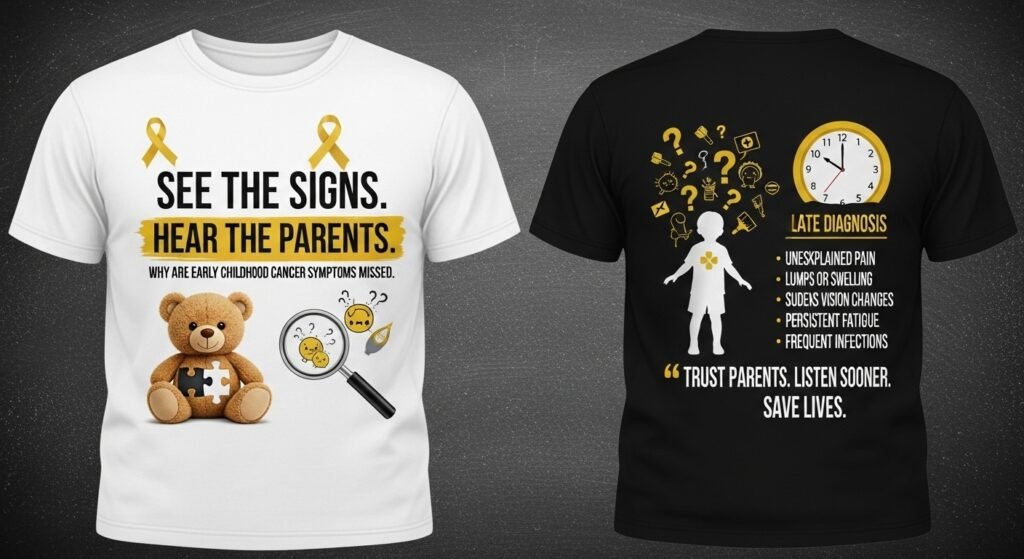
Let’s explore the first category of often-missed symptoms that should raise a red flag.
Unusual Bruising and Bleeding: More Than Just Clumsiness
Children fall, scrape, and bruise all the time. But what happens when those bruises show up without a clear cause or are slow to heal? One of the most overlooked signs symptoms childhood cancer is spontaneous bruising, especially around the spine, chest, or behind the ears.
Keep an eye on:
- Nosebleeds with no trauma
- Gums bleeding during brushing
- Frequent unexplained bruises in uncommon areas
- Tiny red or purple dots (petechiae) under the skin
Often dismissed as anemia or vitamin deficiency, these signs may indicate leukemia or other blood cancers. Next, we’ll dive into energy and mood changes that extend beyond typical child behavior.

Persistent Fatigue or Sudden Mood Changes
When a typically active child becomes increasingly tired, cranky, or withdrawn, it’s easy to assume it’s just a phase. But if these changes last for weeks and disrupt daily life, they may point to deeper issues. Signs symptoms childhood cancer often start subtly, especially with cancers affecting the bone marrow or brain.
Watch for:
- Constant exhaustion even after rest
- Loss of interest in favorite activities
- Trouble waking up in the morning
- Sudden drop in school performance
Pediatricians might suspect mental health concerns like anxiety or depression first. But digging deeper could uncover a hidden diagnosis. In the next section, let’s look at chronic pain that doesn’t match the physical situation.
Unexplained Bone or Joint Pain
Growing pains are common, especially in kids between ages 3 and 12. But persistent pain, particularly at night, shouldn’t be ignored. One of the most frequently misinterpreted signs symptoms childhood cancer involves long-lasting leg, arm, or back pain that doesn’t resolve with rest or medication.
Common characteristics of cancer-related pain:
- Pain that wakes your child at night
- Pain not relieved by over-the-counter meds
- Limping without injury
- Swelling near joints or bones
Doctors may first check for injury, inflammation, or infections. If the pain continues for weeks, push for imaging or a referral to a pediatric oncologist. The next group of symptoms might not seem alarming at first glance, but they often hide in plain sight.
Recurring Infections or Fevers With No Clear Cause
Children get sick often, especially in their early school years. However, if a child experiences recurring fevers or infections that don’t respond to antibiotics, it could point to a suppressed immune system caused by cancer. These signs symptoms childhood cancer may be masked as chronic ear infections, tonsillitis, or unexplained fevers.
Red flags include:
- Persistent low-grade fevers (99–101°F) for over 10 days
- Swollen lymph nodes that don’t reduce
- Night sweats or chills without flu
- Frequent UTIs or respiratory infections
In such cases, insist on more thorough testing, including blood panels and imaging. Up next, we’ll address symptoms that may seem cosmetic—but can be serious underlying signs.
Weight Loss and Appetite Changes That Don’t Add Up
Sudden weight loss in a growing child is never normal. Even small dips should be taken seriously if they come with no change in physical activity or diet. Among overlooked signs symptoms childhood cancer, appetite loss and unexpected weight drops are often ignored during regular pediatric visits.
Key things to look for:
- Refusal to eat or drink for several days
- Clothes fitting looser despite no dieting
- Frequent nausea or vomiting
- Stomach pain that doesn’t improve
Gastrointestinal cancers and tumors in the abdomen can press against organs and affect digestion. If your child’s eating habits seem off without reason, it’s time to take the next steps in investigation. Next, we explore skin changes that offer visual cues to internal issues.
Pale Skin, Rashes, or Sudden Skin Changes
Skin is often the body’s first visual alert system. Sudden paleness, yellowing, or unexplained rashes can signal deeper problems. These signs symptoms childhood cancer often mimic allergic reactions or skin infections.
Important symptoms include:
- Yellowish tint (possible liver involvement)
- Persistent itchy or dry rashes
- Skin turning pale or ashen
- Dark circles under the eyes despite rest
These visual clues often get dismissed as minor or cosmetic. If symptoms are paired with fatigue or pain, further investigation is warranted. In the next section, we turn to neurological symptoms that many mistake for developmental delays.
Changes in Vision, Speech, or Coordination
Brain and central nervous system tumors in children can manifest with neurological symptoms that resemble learning disabilities or sensory issues. These signs symptoms childhood cancer are often downplayed until they significantly impair a child’s life.
Look for:
- Difficulty walking or holding objects
- Crossed eyes or frequent headaches
- Slurred speech or language regression
- Sudden clumsiness or falling
Doctors may refer children to neurologists or behavior specialists. But persistent issues across multiple areas call for deeper scans like MRIs. Speaking of diagnostics, our next segment covers how early tests can be misread or misleading.
When Test Results Seem “Normal” But Your Gut Says Otherwise
One of the most frustrating parts for families is receiving “normal” bloodwork results when a child continues to decline. Many signs symptoms childhood cancer do not show up immediately in lab results.
Reasons include:
- Cancer may be in early stages with undetectable cell changes
- Tumors in solid organs might not affect bloodwork
- Some types like brain tumors require imaging, not blood tests
If something still feels off, don’t hesitate to seek a second or third opinion. As we enter our final sections, we’ll touch on what you can do proactively as a caregiver.
How Parents Can Be Powerful Advocates
No one knows a child better than their parents or caregivers. When doctors overlook signs symptoms childhood cancer, it’s often the parent’s persistence that leads to a timely diagnosis.
What you can do:
- Keep signs symptoms childhood cancer journal to track changes
- Request second opinions when concerns remain
- Ask for advanced imaging if symptoms persist
- Educate yourself using reputable resources
Your voice and insistence can help uncover patterns a busy clinic might miss. And with growing global support, there are more resources than ever, including childhood cancer awareness t shirts that serve as wearable reminders to stay alert.
Next, let’s highlight the role of awareness and how it’s fueling early detection efforts.
The Growing Importance of Awareness in Early Detection
Awareness campaigns are more than just ribbons or social media posts. They start conversations and keep this issue visible year-round. September is childhood cancer awareness month, and its impact grows each year.
Here’s how you can get involved:
- Share stories and facts on social media
- Support families by purchasing childhood cancer awareness month shirts
- Participate in walks, fundraisers, or advocacy events
- Encourage schools to host awareness drives

Even small efforts like wearing childhood cancer survivor t shirts can spark life-changing conversations. These initiatives ensure fewer children go undiagnosed or misdiagnosed.
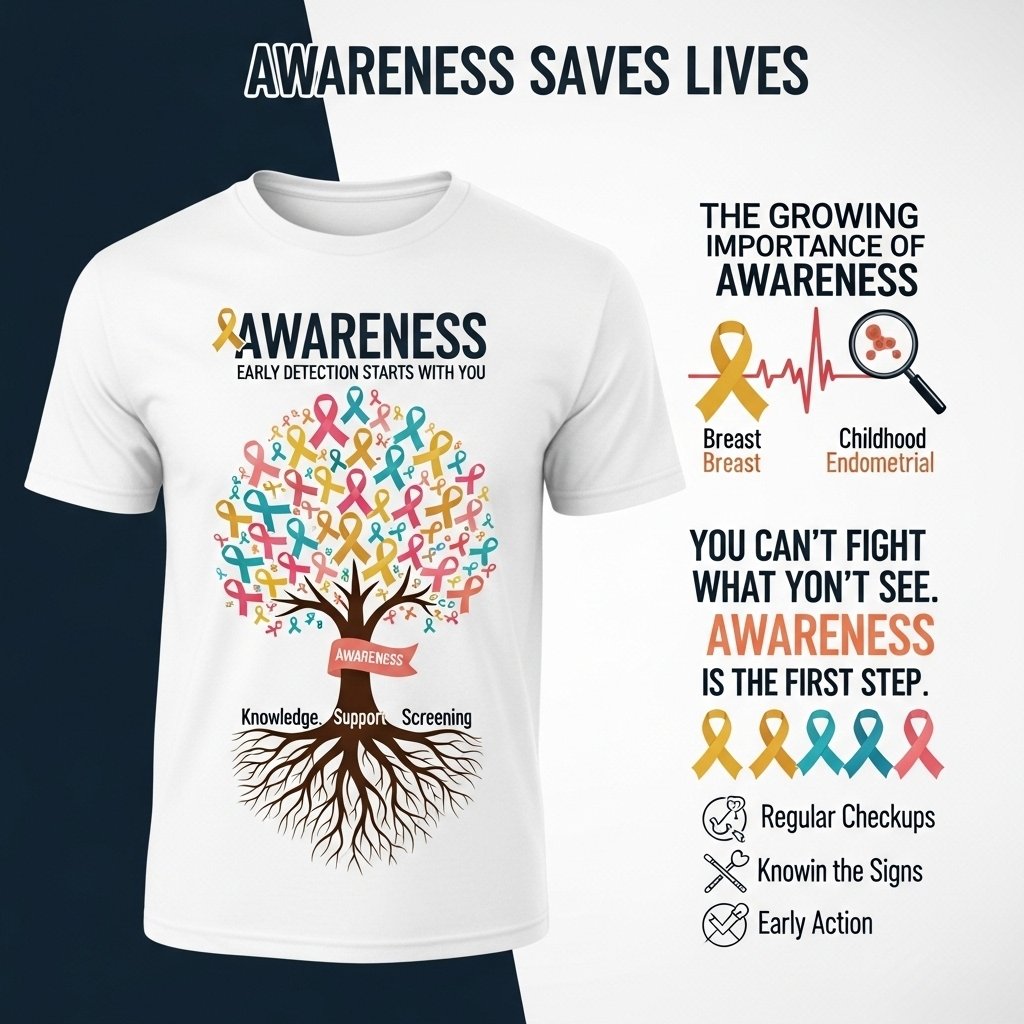
Now, let’s bring this all together with a recap and next steps.
Frequently Asked Questions
What are the most overlooked symptoms of cancer?
The most overlooked signs symptoms childhood cancer are subtle ones like nosebleeds, night sweats, and slight limping, since they mimic everyday childhood issues. Doctors often catch these late because they rarely appear all at once.
What are the 7 major warning signs of cancer?
Common warning signs include unexplained weight loss, persistent fatigue or weakness, recurring fevers, unusual lumps or swelling, bone or joint pain, easy bruising or bleeding, and changes in behavior or appetite. Recognizing these signs symptoms childhood cancer early can lead to faster diagnosis.
At what age do most childhood cancers appear?
Acute lymphoblastic leukemia, the most common childhood cancer, typically occurs between the ages of 2 and 4, though signs symptoms childhood cancer can appear at any age throughout childhood and adolescence.
Can you get PTSD from childhood cancer?
Yes, both survivors and their parents can develop PTSD from the trauma of diagnosis and treatment, with studies showing symptoms in roughly 1 in 5 survivors. Ongoing emotional support and counseling are considered a normal, important part of recovery.
What are the long term effects of childhood cancer?
Survivors can face long-term effects like heart, lung, or hormone problems, learning difficulties, and a higher risk of second cancers later in life. Regular follow-up care after treatment helps catch and manage these effects early.
What is the most common cancer found in kids?
Leukemia is the most common form of childhood cancer, occurring when blood cells turn into cancer cells in the bone marrow. Understanding the signs symptoms childhood cancer related to leukemia helps parents seek timely medical care.
Many signs symptoms childhood cancer are easy to overlook because they mimic common illnesses. But when symptoms persist or feel unusual, trust your instincts and advocate for your child. Early detection often depends on how quickly parents act. Don’t wait for a clear diagnosis if something feels off; ask questions, seek tests, and follow up.
Spreading awareness of childhood cancer and recognizing the warning signs can make all the difference. Your voice and action could lead to early intervention, better outcomes, and most importantly, a child’s chance at survival and healing.
Stay alert. Speak up. Your action today could save a child’s tomorrow. Join the fight, raise awareness, share knowledge, and never ignore the signs.
There are no reviews yet.